

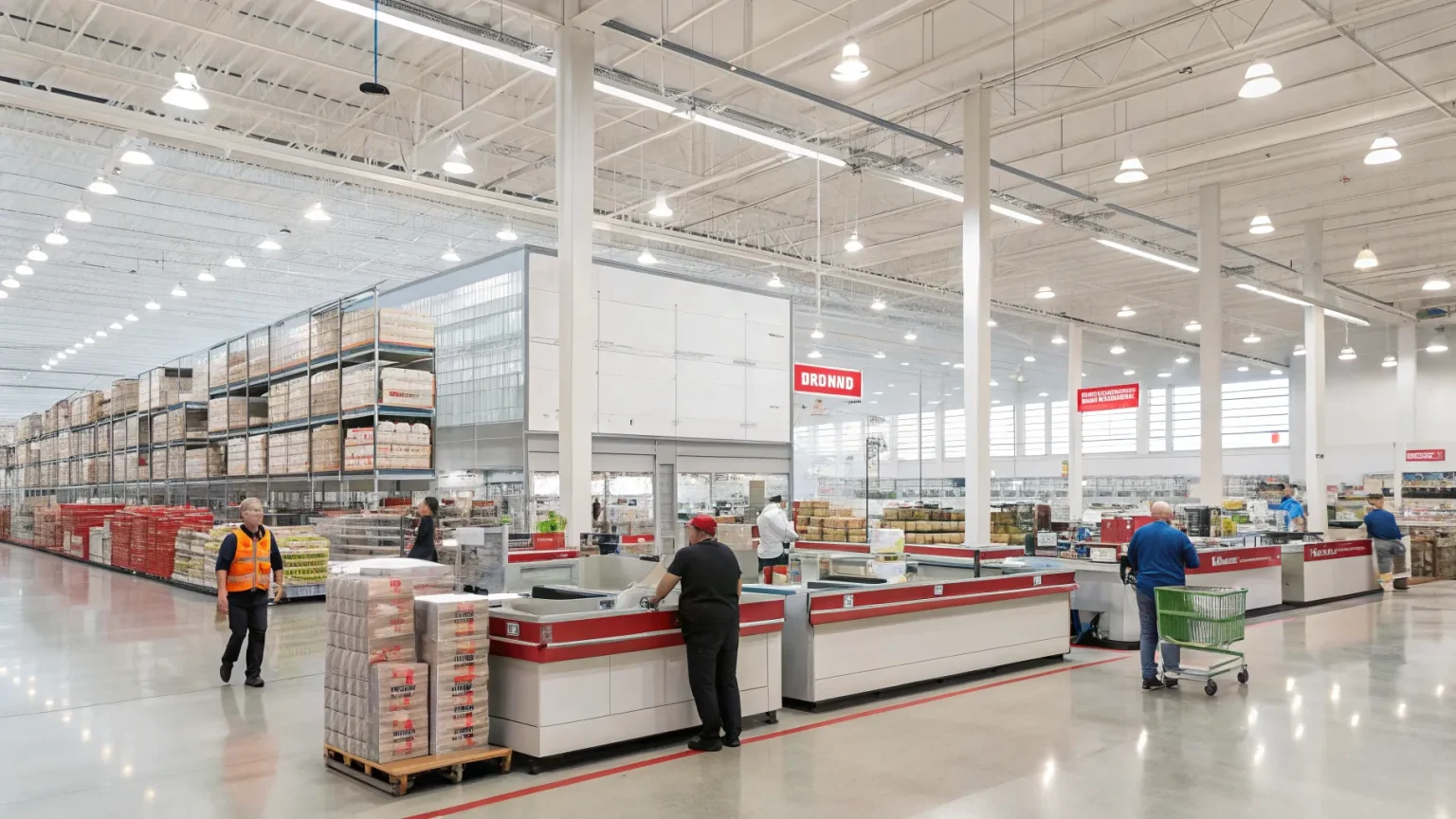
Costco has joined a growing list of major companies seeking refunds on import duties, filing suit as a hedge in case the Supreme Court throws out the new tariffs. The move positions the warehouse retailer to recover past payments if the high court invalidates the policy. It also signals how large importers are preparing for a ruling that could reshape the cost of goods entering the United States.
The filing comes as businesses wait for clarity on whether recently imposed duties were lawful. While the timeline for a ruling remains uncertain, the financial stakes for retailers, manufacturers, and consumers are significant. Many companies that rely on imported goods are watching closely, and some have already taken legal steps to preserve their claims.
“Costco is one of the largest companies to sue for possible refunds if the Supreme Court strikes down the new import duties.”
Why the Challenge Matters
Import duties can raise prices on items that Americans buy every day. For retailers like Costco, tariffs affect a wide range of categories, from electronics to household goods. If the duties fall, courts could order refunds on payments made during the period the tariffs were in effect. That could deliver a cash windfall to companies with large import volumes.
Trade lawyers say companies often file protective suits while a case moves through the courts. This keeps their claims alive if a policy is later struck down. Without such filings, some refund rights can expire. Filing now is a standard legal strategy to avoid missing deadlines.
Legal Questions Before the Court
The dispute centers on whether the government followed proper law and procedure when setting the duties. Courts weigh issues such as statutory authority, administrative process, and how agencies justify economic harm. A ruling that the process fell short could invalidate the tariffs and trigger refunds.
Analysts note that large retailers face a unique balance of risks. If tariffs stay in place, they continue to pay higher import costs. If they fall, companies that preserved claims could reclaim significant sums. The court’s decision would also guide how future trade measures must be designed.
Potential Impact on Prices and Supply Chains
Any refund would go first to the companies that paid the duties. Whether those funds flow to lower prices would depend on competition, contracts, and market conditions. Retailers may use refunds to reduce debt, fund expansion, or offset higher logistics costs. Consumers could see price relief in competitive categories where retailers pass savings through.
Supply chains could also shift. If duties are struck down, some importers might increase orders from previous suppliers. A ruling that upholds the duties could cement newer supplier relationships or push more production to domestic plants. Either outcome would shape sourcing decisions in the months ahead.
What Industry Watchers Are Watching
- How the Court frames the limits on tariff authority.
- Whether refunds apply only to companies that filed timely claims.
- The speed at which customs agencies would process any repayments.
- Possible congressional responses if the tariffs are struck down.
Broader Business Reaction
Costco’s lawsuit reflects a cautious, defensive approach many companies are adopting. Importers across sectors, from apparel to hardware, are weighing similar steps. Some have built pricing strategies that assume duties could either persist or fall. Suppliers and buyers are inserting clauses into contracts to cover both outcomes.
Economists caution that a single court decision will not resolve every uncertainty. Shipping costs, labor shortages, and currency swings also affect prices on store shelves. Still, tariff policy remains a key factor for high-volume importers, which plan inventory months in advance.
What Happens Next
The case will progress along the Court’s schedule, and the outcome could set an important precedent for trade policy. If the duties are invalidated, companies with active claims will seek refunds. If the duties are upheld, businesses will likely adjust long-term sourcing and pricing plans to manage ongoing costs.
For now, Costco’s suit signals that large retailers want to keep every option open. The decision will shape import strategies, cash flows, and possibly prices across many aisles. Investors, suppliers, and shoppers alike have a stake in how the Court rules—and how fast any changes take effect.


