

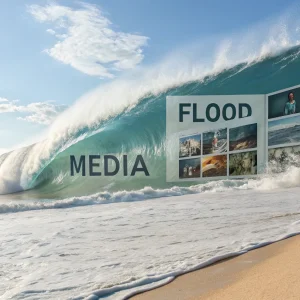
A rising wave of audio, video, and text is reshaping how people make and find media. As platforms fill with posts each minute, a counterintuitive view is taking hold: this surge may help independent creators more than it hurts them.
The core of the argument is simple. More content draws more people, spawns more niches, and opens more paths to revenue. It also forces platforms to build better tools and search features. That cycle can reward creators who move fast, serve communities well, and keep costs low.
“Against all odds, the deluge might be good for creators.”
The Flood of Content
Creators face the largest supply of media in history. Short video, livestreams, newsletters, podcasts, and AI-assisted posts arrive at a constant pace. Major platforms surface new formats and push them into feeds to win attention.
For years, the common view was that more supply squeezes small players. Discovery gets harder, and ad rates fall. But audience behavior has shifted. People now sample many voices, subscribe to niche channels, and support makers they trust.
Why Abundance Can Help
Abundance can raise the ceiling for standout work. It grows the total audience and multiplies entry points for new fans. As more people scroll and search, even narrow topics can sustain a show, a newsletter, or a storefront.
Lower costs also matter. Editing apps, templates, and AI tools cut production time. That lets small teams post more often and test ideas quickly. A single hit can be clipped, captioned, and shared across formats.
- More niches: Fragmented tastes create room for specialist voices.
- Better tools: Platforms compete with analytics, scheduling, and monetization.
- Lower risk: Faster tests reduce the cost of failure.
The Risks and Trade-Offs
Abundance is not free. Discovery still hinges on algorithms that change without notice. Creators can see revenue swing when a platform tweaks its feed or rules. Copycats can also flood a winning niche.
Brand safety rules add pressure. Advertisers avoid sensitive topics, which can penalize news, commentary, or minority voices. Some creators respond by building direct support through memberships and merchandise to reduce platform risk.
How Creators Adapt
Successful creators treat the flood as a filter. They focus on clear formats, fast feedback, and repeatable ideas. Short clips drive new viewers to longer work. Newsletters capture loyal readers and push them to events or premium tiers.
Audience ownership is the theme. Email lists, SMS updates, and private communities give stability across algorithm shifts. Many creators now run “barbell” strategies: tiny experiments on new platforms and deeper work where they already lead.
Packaging also changes. One recording can yield shorts, a podcast episode, a transcript, and an article. Each version serves a different audience slice without rebuilding from scratch.
What the Industry Signals
Platform moves point in the same direction. New funds, tipping tools, and revenue-sharing programs seek to keep creators posting. Search features highlight chapters, keywords, and related clips, which helps evergreen posts earn over time.
Advertising is also adjusting. Brands buy smaller placements across more channels and measure outcomes with tighter metrics. That favors creators who can show steady engagement and sales lift, not just raw views.
Outlook: Measuring the Upside
The key test is durability. Can creators turn spikes into steady income? Those who build direct lines to their audience stand the best chance. Consistent formats, clear community rules, and diversified revenue reduce shocks.
The flood is not going away. Audiences will skim more, sample more, and stick with voices that deliver value every week. For creators who plan for that reality, the surge can expand reach and income rather than choke it.
The takeaway is cautious but clear. More content raises noise, but it also raises opportunity. The next phase will reward makers who own their relationships, track what works, and publish with intent. Watch for continued growth in memberships, smarter search tools, and tighter links between short clips and long-form work. Those shifts will determine who gains from the deluge—and who gets washed out.


