

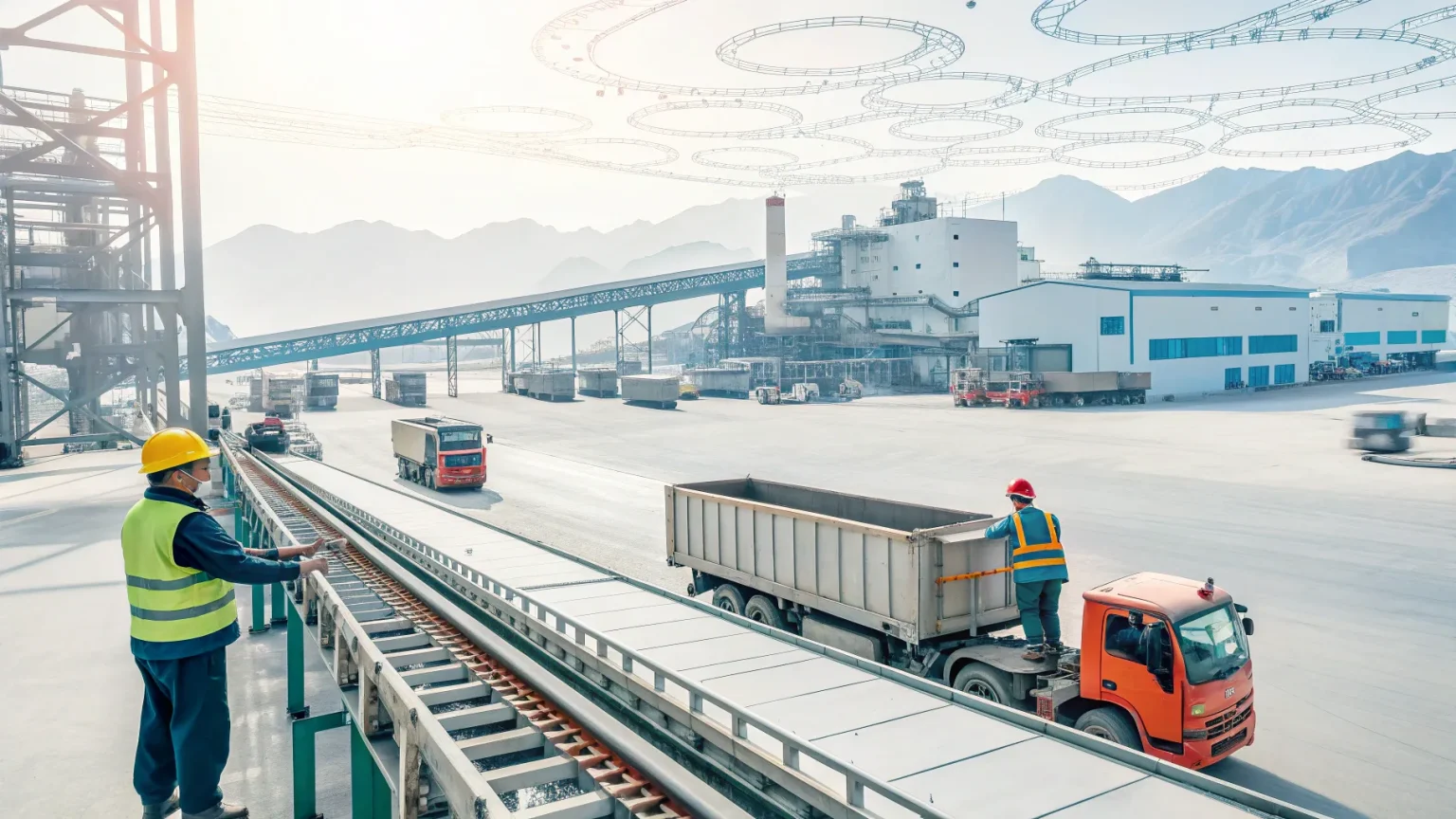
China’s dominance in processing critical minerals is reshaping supply chains for electronics, energy, and defense worldwide. From the United States to Europe and Asia, governments and companies are racing to reduce dependence on a single source that touches everything from consumer devices to military hardware.
The stakes are high. Processing capacity is concentrated in China, even when raw materials are mined elsewhere. That concentration gives Beijing leverage in periods of trade tension and exposes manufacturers to supply shocks.
China holds a near-monopoly in the processing of the elements crucial for making everything from smartphones to fighter jets.
Why Processing Power Matters
Minerals only become useful after complex chemical and metallurgical steps. China built capacity across these steps during the past three decades, backed by industrial policy, low-cost energy, and looser environmental rules. The result is a processing hub that feeds global factories.
This control is most visible in rare earths, lithium, graphite, and cobalt. These materials go into magnets for motors and missiles, batteries for electric cars, and chips and screens for phones and computers.
- Rare earths: China handles about 85–90% of processing and magnet production.
- Lithium: Roughly 60–70% of refining into battery-grade chemicals occurs in China.
- Cobalt: About 70% of global refining capacity sits in China, though much ore comes from the DRC.
- Graphite: Around 90% of anode material for batteries is processed in China.
These figures vary by year, but the pattern is consistent. Processing is the choke point.
How China Built the Lead
Analysts point to sustained investment, clustering of suppliers, and years of low margins that deterred rivals. Chinese companies integrated mining, refining, and manufacturing, which lowered costs and sped up innovation. They also financed overseas mines to secure supply, especially in Africa and South America.
The environmental burden is part of the story. Refining rare earths and other minerals can create toxic waste and high emissions. China accepted those costs as it developed the industry. Other countries limited such activity, pushing more processing to Chinese firms.
Global Pushback and New Spending
In response, the United States, European Union, Japan, Australia, and Canada have launched incentive programs for domestic and allied processing. The U.S. Defense Department has funded magnet plants and rare earth projects. Australia supports refining ventures and recycling. The EU is advancing a Critical Raw Materials framework to speed permits and diversify imports.
Companies are making moves as well. New facilities are planned in the U.S. and Europe to produce rare earth magnets and battery materials. Indonesia is building nickel processing. South Korea and Japan are securing supplies through long-term contracts and joint ventures.
Progress is real but uneven. New plants face high costs, permitting delays, and a shortage of skilled workers. Building full supply chains can take five to ten years. During that time, demand for batteries, data centers, wind turbines, and electric vehicles is rising fast.
Geopolitics and Supply Risks
Trade tensions add urgency. China recently tightened export controls on gallium, germanium, and certain graphite products. Such steps show how processing power can influence strategic industries. If broader controls emerge, manufacturers could face shortages or price spikes.
Defense planners are watching closely. Rare earth magnets are used in precision-guided weapons, radar systems, and aircraft. Substitutes exist in some cases, but performance often suffers, and switching supply requires time and testing.
What Could Shift the Balance
Several developments could reduce risk over the next decade:
- Recycling of batteries and magnets to recover lithium, cobalt, nickel, and rare earths at scale.
- New refining projects in the U.S., EU, Australia, and Southeast Asia, backed by public funding.
- Design changes that use fewer scarce materials or different magnet chemistries.
- Stronger environmental standards that level the playing field across regions.
Yet even with these steps, China is likely to remain the largest processor for years. The question is how much redundancy others can build, and how fast.
For now, the message is clear: processing, not just mining, defines control of critical materials. The latest investments suggest a shift, but the gap is wide. Watch for new refineries coming online, export rules from Beijing, and defense procurement choices that may tip demand. The outcome will shape the cost and security of technologies that power daily life and national defense.


