

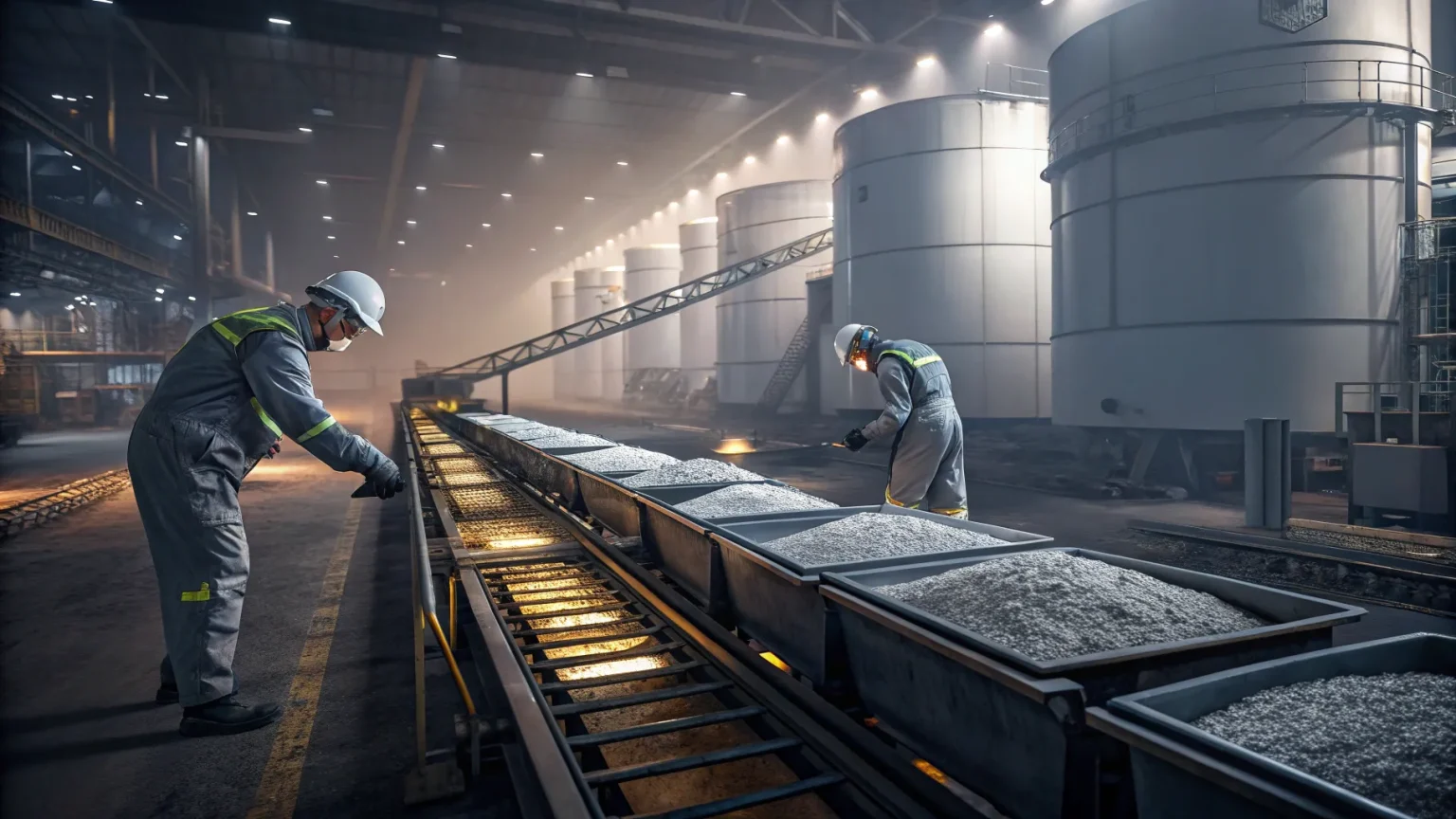
China tightened controls on rare earth exports, adding fresh strain to supply chains that feed clean energy and defense industries. The move arrives as U.S.-China tensions remain high over trade, technology, and security. Markets and policymakers are weighing the fallout, including price swings and risks to production timelines.
The move comes a day after China ramped up restrictions on rare earths exports amid ongoing tensions with the U.S.
Rare earths are crucial for magnets used in electric vehicles, wind turbines, and precision weapons. China dominates processing and refining, making any change in export policy felt around the world. The timing has renewed questions about resource security and long-term plans to diversify supply.
Why Rare Earths Matter
Rare earths are a group of 17 metals, including neodymium and dysprosium. They are not rare in the earth’s crust, but they are hard to mine and purify. The process is costly and creates waste. That is why most refining migrated to China over decades.
Analysts estimate China accounts for most global processing capacity and a large share of mining. That grip gives Beijing leverage in trade disputes. In 2010, a clash with Japan triggered a supply squeeze and a price spike. A World Trade Organization case later pressed China to relax some limits, but production stayed concentrated.
Beijing has tightened other strategic exports in recent years. Controls on gallium and germanium affected chipmaking supply chains. New rules on graphite, another battery input, added to industry caution. The latest rare earth move fits a pattern of using export rules to manage strategic sectors.
Industry Impact and Business Reaction
Manufacturers that rely on high-strength magnets face the most immediate risks. Electric vehicle makers need stable supplies to hit production targets. Wind turbine builders are also exposed. Defense contractors depend on specialized alloys and components that use rare earths.
Companies have been building inventories since earlier supply shocks, but stockpiles vary. Smelters and magnet makers outside China remain limited. That means even modest disruptions can ripple through order books and delivery schedules.
- Neodymium and praseodymium: magnets for EV motors and drones.
- Dysprosium and terbium: heat-resistant magnets for turbines and jets.
- Lanthanum and cerium: catalysts and polishing compounds.
Some producers outside China could benefit in the short term. Miners in Australia and the U.S. may see higher prices. Lynas in Australia and MP Materials in the U.S. are expanding refining steps. But large-scale processing takes time, permits, and steady demand to justify investment.
Recycling is another hedge. Magnet recovery programs are growing in Europe, Japan, and the U.S. Early efforts show promise, but volumes remain small. New projects aim to turn end-of-life motors and electronics into usable oxides and metals.
Policy Moves in Washington and Other Capitals
U.S. officials have pushed for a more resilient supply chain. The government has funded mining, separation, and magnet plants at home. It has also worked with allies to stabilize supplies, including Japan, South Korea, Canada, and the EU.
Trade lawyers expect fresh scrutiny of China’s actions at global forums. Past disputes centered on quotas, licenses, and duties. Any new challenge would take time and may not ease short-term strain. Diplomats will balance legal steps with efforts to keep channels open for essential goods.
Some measures under review include stockpile releases, expedited permits for refineries, and incentives for recycling. Governments may also stress substitution research to reduce reliance on the scarcest elements.
Market Signals and What to Watch
Prices for key rare earth oxides could rise if buyers rush to secure supply. Volatility may increase until details on scope and enforcement are clear. Traders will watch customs data, export license volumes, and port movements for clues.
Several factors will shape the outlook over the next few months:
- How broad the controls are and how licenses are granted.
- The response from the U.S. and allied governments.
- Progress on new refining capacity outside China.
- Recycling volumes and magnet substitution research.
Investors will also watch downstream sectors. Automakers may adjust EV launch schedules if motor supplies tighten. Turbine makers could face delays if magnet availability dips. Defense buyers may seek waivers or stockpile draws to meet contract targets.
China’s decision highlights the strategic weight of materials that most consumers never see. The immediate impact depends on how fast rules take effect and how widely they are applied. The longer-term story is clear. Countries and companies will keep trying to cut single-point risks in critical minerals. The next phase will test whether new mines, refineries, and recycling can deliver reliable supply at scale—before the next shock arrives.


