

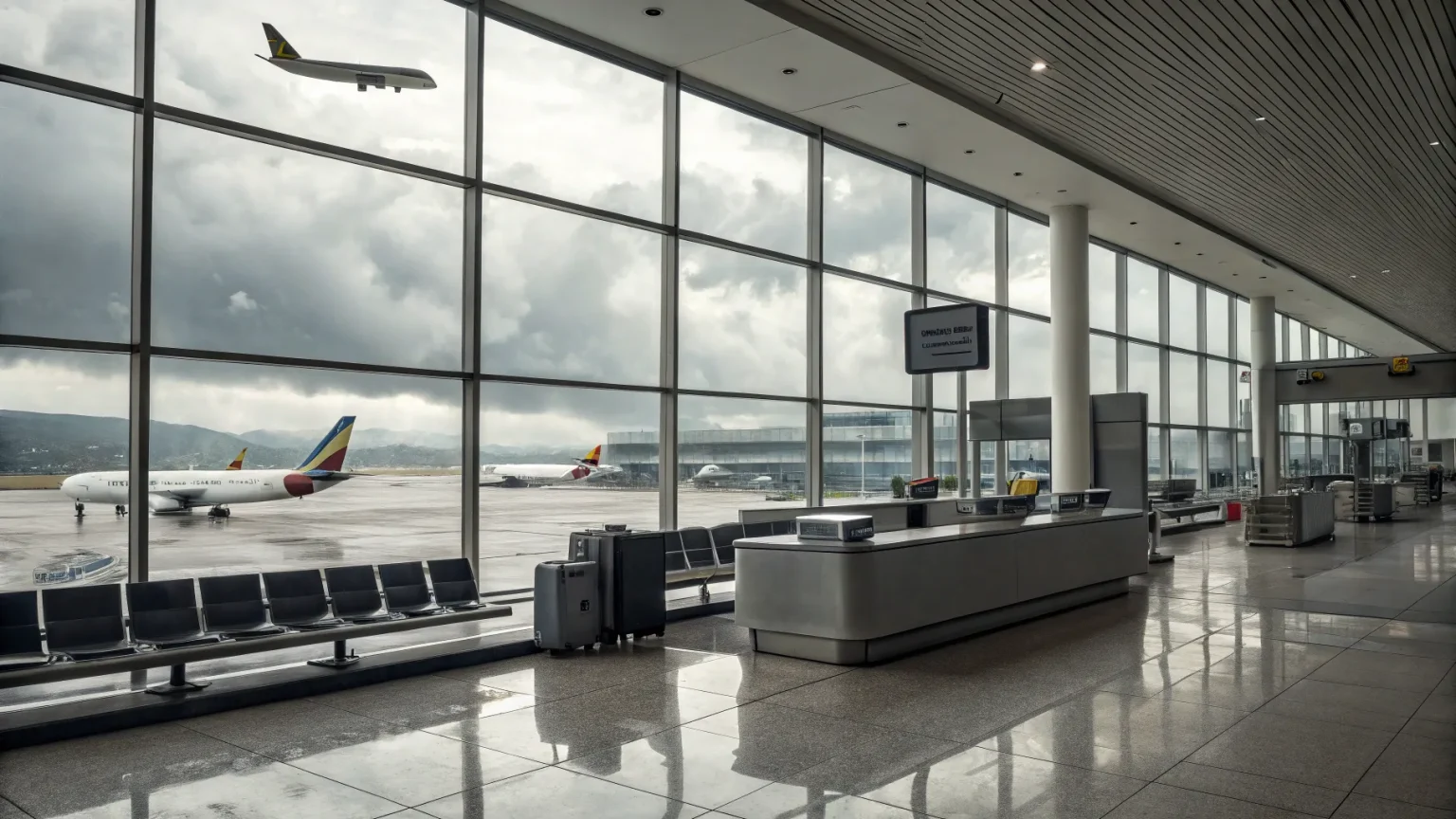
U.S. airlines canceled dozens of flights across the Caribbean after U.S. military strikes on Venezuela, disrupting travel plans and rattling a tourism-heavy region. The decisions came soon after the strikes, affecting routes that connect U.S. hubs with island nations and northern South America. Carriers moved quickly as safety, routing, and operational questions surfaced.
“U.S. airlines cancel dozens of Caribbean flights after U.S. strikes on Venezuela.”
The cancellations hit on short notice. Airports in the Caribbean often rely on steady U.S. traffic, especially during winter. Travelers faced long lines, rebookings, and unclear timelines for normal service.
Background And Context
Airlines often adjust schedules during nearby conflicts or when airspace is unstable. Flight paths around a crisis can change fast, and carriers aim to protect passengers and crews. Military action can also prompt new routing rules, which may require longer paths or full avoidance of certain regions.
Past events offer a guide. After tensions rose over the Persian Gulf in 2020, many airlines rerouted flights to avoid risk. Russia’s invasion of Ukraine in 2022 led to large airspace closures that forced detours and cancellations. While each event is different, the pattern is clear: safety concerns lead to quick, cautious changes.
Caribbean travel is especially sensitive to such shifts. Many islands depend on U.S. arrivals. Winter months bring peak demand, cruise connections, and seasonal jobs tied to tourism. Even a brief disruption can have an effect on hotels, restaurants, and local transport providers.
Safety And Airspace Concerns
The immediate issue is flight safety near Venezuela and adjacent routes. Airlines track risks from military activity, radar coverage, and air traffic control reliability. They assess the chance of misidentification, debris, or unexpected closures.
Authorities sometimes issue notices that limit or advise against flying in affected areas. Even without a formal ban, carriers can choose to avoid nearby corridors. That can turn a standard three-hour hop into a longer, costlier trip. In some cases, detours are not viable on short notice, which leads to cancellations instead.
Impact On Travelers And Tourism
Passengers found their plans disrupted with little warning. Families heading for holidays, workers on tight schedules, and cruise passengers with fixed departure dates all faced uncertainty. Rebooking options may exist, but seats are scarce during peak season.
Local economies can feel the strain. Hotels count on steady arrivals. Taxi drivers, tour guides, and small vendors depend on daily foot traffic. A few days of reduced flights can cut into weekly earnings, and the ripple effect can stretch across island chains.
- Check airline apps and websites for live updates.
- Consider flexible tickets or travel insurance.
- If stranded, ask about interline rebooking or alternative airports.
Industry Response And Precedent
When risks rise, airlines follow internal safety policies and coordinate with aviation authorities. They weigh aircraft availability, crew schedules, and fuel needs for longer routes. If a safe, efficient path is unclear, cancellations are the default choice.
There is precedent for wide-reaching adjustments around the Caribbean. Hurricanes often force shutdowns for days. Unlike storms, security events are less predictable and can change without much notice. That unpredictability pushes airlines to act before more details are available.
What To Watch Next
The pace of cancellations will depend on security assessments and any new guidance from aviation authorities. If routing stabilizes, airlines could restore flights in stages. If risks stay high or spread, detours and cuts may continue.
Travelers should watch for rolling updates rather than a single reset. Carriers often rebuild schedules gradually after disruption. They may prioritize large hubs and key leisure routes first. Smaller islands or secondary airports could wait longer.
For Caribbean economies, the timing is sensitive. A rapid return to normal would contain the damage. A prolonged disruption would stress hotel occupancy and seasonal employment. Regional tourism boards will press for clarity, while airports review contingency plans.
The immediate takeaway is caution. Airlines moved fast in response to the strikes, and safety drove the decisions. The next few days will show whether the cancellations were a brief shock or the start of a longer adjustment. Travelers should prepare for changing schedules and keep backup plans ready.


