

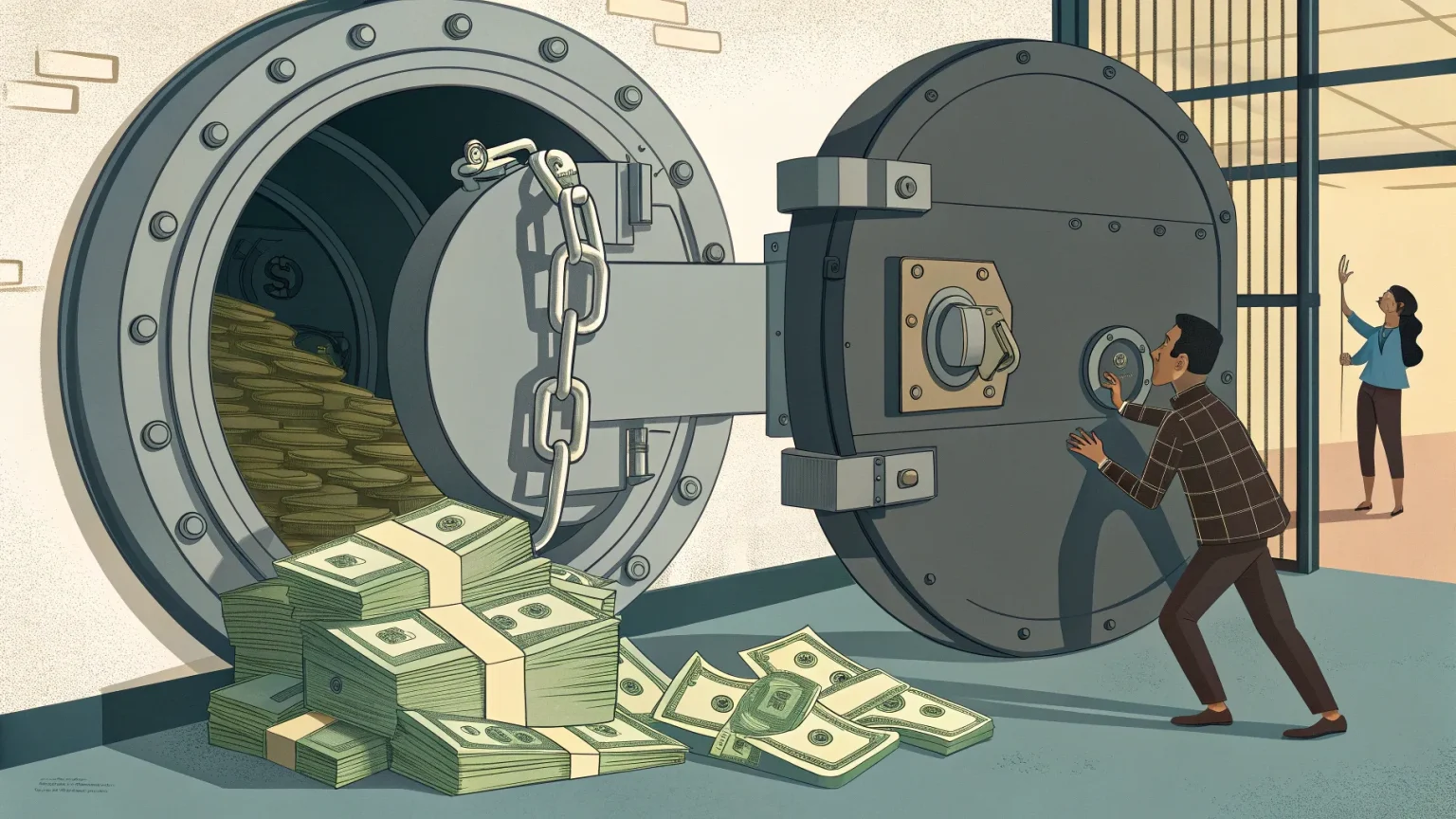
Money sitting idle gets lazy and risky. My view is simple: banks are great for transactions, not for storing wealth. The last few years made that crystal clear. Cash lost buying power, yields lagged, and counterparty risk showed up in headlines. So I set a rule that keeps my money productive and protected.
“I only use the bank for 30 days or less.”
That’s the line. Funds move through checking to pay bills, payroll, and taxes. If cash sits longer than a month, it goes to better homes. Idle cash is a liability, not a plan.
Why I Don’t Park Cash in Banks
Bank accounts feel safe, but the math says otherwise. Deposit rates rarely keep up with inflation. Fees and friction hide in the fine print. FDIC insurance caps out at $250,000 per depositor, per bank. That limit may not match real exposure for business owners. Safety isn’t just about guarantees; it’s about purchasing power and control.
There’s also a hidden tax: opportunity cost. Every dollar lounging in checking misses a better use. Money should have a job. When it doesn’t, risk creeps in quietly.
“If I see more than 30 days in those accounts, I want to move it to cash value or potentially Bitcoin.”

Where I Store Liquidity
Two places make sense for me: properly structured cash value life insurance and Bitcoin. They serve different roles.
With cash value, I use flexible paid-up additions. That lets extra dollars flow in when cash piles up. The result is greater liquidity, growth, and protection. I can borrow against the value, often quickly, while policy earnings continue. It’s like moving from idle cash to a productive warehouse with a side door for easy access.
Bitcoin plays a different part. It’s volatile, yes. But it’s scarce and independent of bank balance sheets. When excess cash builds, a portion goes to Bitcoin. It’s a hedge against inflation and system risk. I don’t speculate; I allocate.
- Banks: use for cash flow, not storage.
- Cash value: store, grow, and access capital.
- Bitcoin: hedge a slice of liquidity.
Each tool has a job. That clarity keeps decisions simple and repeatable.
How The 30-Day Rule Works
My process is boring by design. Predictable beats exciting when it comes to money. Here’s the simple flow I use each month.
- Set a target balance for each business account.
- Cover bills, payroll, taxes, and a small buffer.
- Sweep extra cash every 30 days.
- First stop is paid-up additions in cash value.
- Then allocate a slice to Bitcoin when cash stacks up.
This rhythm avoids hoarding cash during good months and panic during slow ones. Rules replace emotion.
What About Bank “Safety”?
Some argue bank deposits are safer than markets. That’s a partial truth. Banks help with payments and short-term storage. But they don’t fix inflation or opportunity cost. Security without growth is slow loss. Others worry cash value is complicated. It can be, if built poorly. With the right structure and advisor, it becomes a reliable reservoir. As for Bitcoin, critics point to volatility. That’s why it’s a slice, not the whole pie.
These aren’t gimmicks. They’re safeguards. The aim is control, liquidity, and options.
My Stand
Banks are tools, not vaults. Cash value is my storehouse. Bitcoin is my hedge. The 30-day rule keeps me honest and nimble. It’s how I protect capital and keep it working. I’ve coached top producers and built companies by sticking to simple rules like this, and I’m not changing course.
Adopt your own version. Pick a time limit, define a sweep, and assign each dollar a job. Review monthly. Track results. Adjust allocation, not discipline.
Money should move with intent. Let banks handle payments. Let your stores build strength. And let a measured hedge stand guard when systems wobble.
Put your cash to work within 30 days. Set the rule today, follow it this month, and keep more of what you earn—without losing sleep.


