

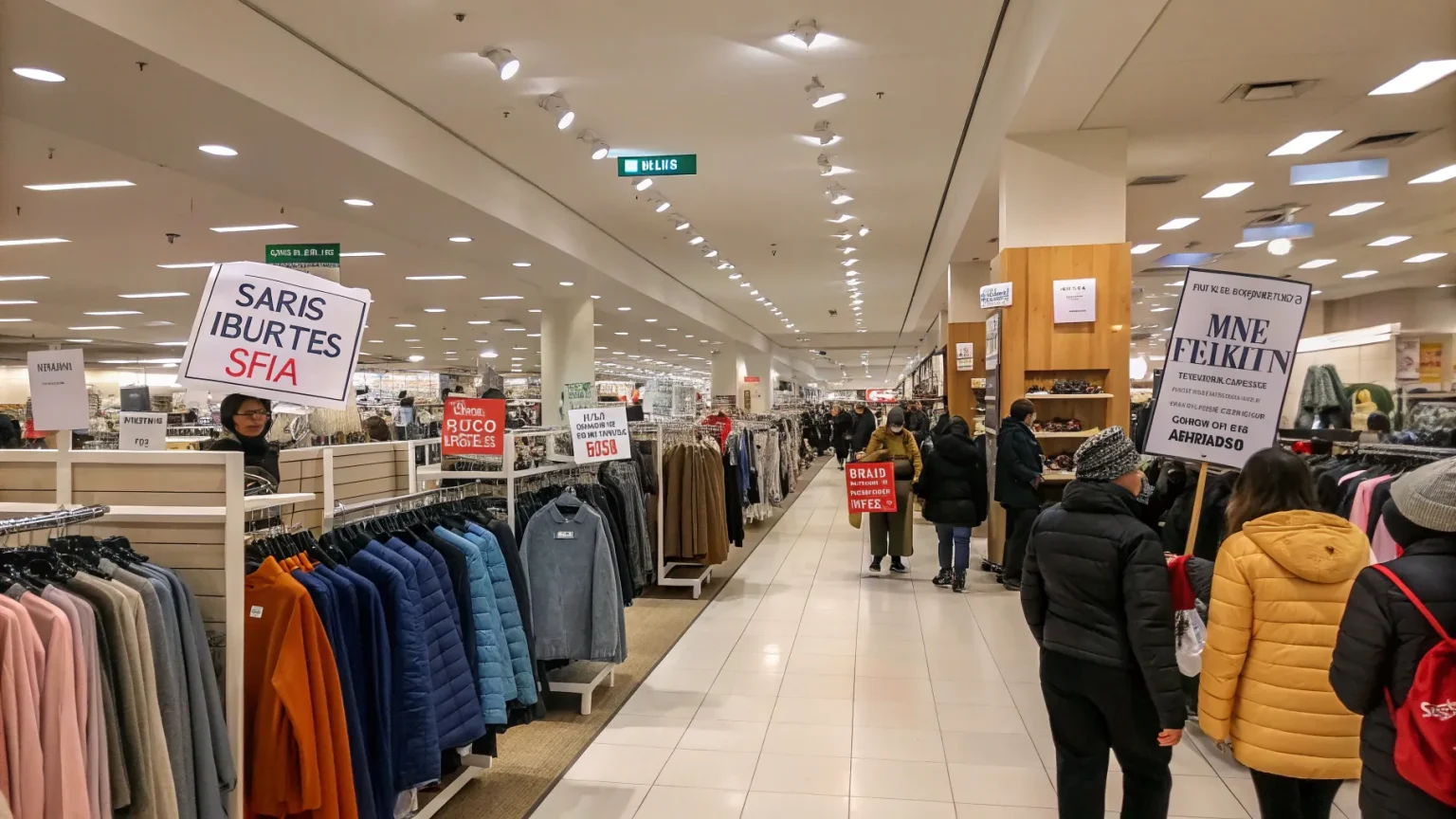
Pressure is mounting on a major department store after plans surfaced to bring Shein’s ultra-cheap clothing to its sales floor, drawing swift criticism from fashion leaders and elected officials. Industry groups and lawmakers say the move, discussed in recent days, could sideline homegrown brands and reward a company they argue has skirted environmental and labor standards.
The pushback comes as Shein seeks deeper access to U.S. shoppers and traditional retail channels. The department store, widely seen as an icon of American retail, has not publicly detailed the scope of the collaboration. Critics want answers now, warning of risks to workers, designers, and the environment.
“The fashion industry and politicians are opposed to Shein’s fast fashion wares coming to an iconic department store.”
Why This Flashpoint Matters
Shein rose to prominence by releasing thousands of new styles each day at rock-bottom prices. Its model relies on rapid design cycles, heavy social media marketing, and direct-to-consumer shipping. That approach has shaken the apparel market, pressuring rivals to match speed and price.
The brand has also faced a steady stream of scrutiny. Designers have accused the company of copying their work. Environmental groups link ultra-fast fashion to textile waste and high emissions across the supply chain. Labor advocates have questioned working conditions at supplier factories. Shein has said it takes intellectual property, environmental, and labor issues seriously, and that it audits suppliers and removes flagged listings.
Lawmakers have zeroed in on the U.S. “de minimis” import rule, which allows low-value packages to enter the country with limited duties and screening. U.S. Customs and Border Protection reported more than a billion such packages last year, a surge driven in part by e-commerce. Members of Congress across parties have proposed curbs, citing enforcement gaps and unfair competition.
Industry Fears Of A Race To The Bottom
Designers and manufacturers argue that stocking Shein on a prestigious sales floor could normalize a model built on extreme volume and low margins. Smaller labels worry about losing visibility and leverage with buyers if space goes to ultra-fast fashion.
Retail consultants say department stores face a tough choice. Many are struggling with traffic and inventory costs. A Shein tie-up could promise younger shoppers and quick-turn merchandise. But it also risks brand dilution and backlash from core customers who expect quality and curation.
Suppliers warn that deep discounting can ripple across the value chain. If price becomes the main filter, factories may face tighter timelines and lower pay. Environmental targets also become harder to meet when clothing is treated as disposable.
Political Heat And Regulatory Risk
Several lawmakers have pushed for tighter import checks on small parcels and for holding platforms liable for counterfeit or unsafe goods. They argue that shifting Shein into a famed department store does not solve deeper concerns.
Policy analysts note that public companies and legacy retailers carry higher disclosure and compliance duties than many online sellers. A partnership could pull Shein closer to those expectations, forcing greater transparency on sourcing and auditing—or expose both parties if standards fall short.
- Possible changes to de minimis rules could raise costs and slow deliveries.
- Expanded product vetting may reduce the volume of items offered.
- Brand audits and labeling standards could become stricter.
Consumers Want Price And Accountability
Shoppers have flocked to ultra-low prices during a period of sticky inflation. Yet surveys show rising concern about waste, product safety, and fair pay. Analysts say the question is whether a heritage retailer can offer low prices while assuring quality and ethical sourcing.
Some predict a hybrid approach: limited in-store capsules, tighter curation, clearer labeling on materials, and posted supplier standards. Others argue that any deal will draw protests unless regulators first address imports and supply chain oversight.
What Comes Next
The department store now faces a strategic test. It could slow negotiations, set strict sourcing and compliance terms, or walk away if the risks outweigh the gains. Shein, seeking broader legitimacy, may agree to more transparency to secure shelf space.
The outcome will signal how U.S. retail balances price, speed, and standards. If a deal proceeds under tighter rules, it could set a new bar for fast fashion in brick-and-mortar stores. If it stalls, pressure will shift back to Congress and regulators to act on imports and supply chains.
For now, designers and politicians have made their line clear. They want accountability to match access. Watch for policy moves on small-parcel imports, new retailer sourcing pledges, and whether any pilot partnership survives public review.


