

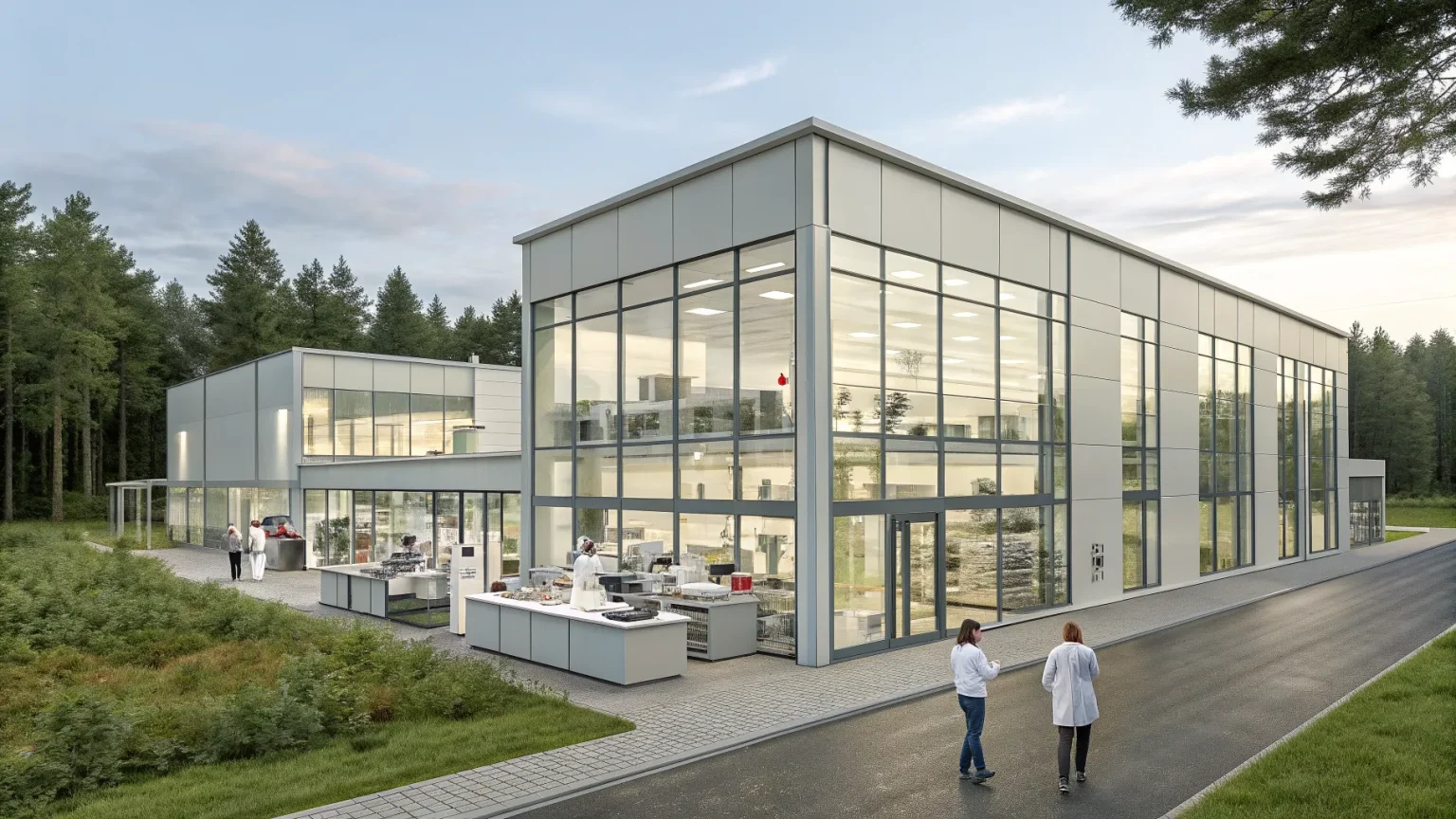
AstraZeneca is tying a new facility to a larger push in American science and production, committing billions to grow its footprint in the United States. The pharmaceutical company said the site is part of a broader plan to expand research and manufacturing capacity. The move points to rising demand for advanced medicines and a desire to secure supply chains after recent disruptions.
While the company did not share full details about the location, timeline, or headcount, it framed the project within a large multiyear plan. The initiative focuses on building out capabilities for discovery, development, and scaled production.
A Big Bet on U.S. Capacity
The company described the site in plain terms, linking it to a sweeping capital plan in the U.S. market.
“The facility is part of AstraZeneca’s $3.5 billion investment in U.S. research and manufacturing,” the company said.
Industry analysts say such projects reflect a broader shift. Drug makers are investing closer to major patient populations and clinical trial networks. They are also working to cut delays linked to overseas production and shipping.
For large firms, U.S. expansion offers access to research hubs, skilled workers, and academic partners. It also positions companies to respond faster to public health needs and changing treatment standards.
Background: Why Companies Are Scaling Up
The pandemic exposed weak points in medicine supply lines. Many firms now prefer multiple production sites across regions. That helps reduce single-point failures and manage product surges. In addition, growth in complex biologics, including antibody therapies and cell-based treatments, requires more specialized facilities.
Regulators have encouraged quality upgrades and better tracking through the supply chain. Companies have answered with new clean rooms, advanced analytics, and greater automation. These investments take years to plan and build but can support a large pipeline of products.
- Rising demand for specialty drugs has increased the need for flexible manufacturing.
- Regional production can speed delivery and reduce transport risk.
- Partnerships with universities and hospitals strengthen research programs.
What This Could Mean for Patients and Markets
If the facility progresses on schedule, it could help shorten the time from lab to launch for select therapies. Closer integration between research teams and production lines can improve technology transfer and quality controls. That, in turn, may support steadier supply once a drug receives approval.
For local communities, projects of this scale often bring long-term roles in science, engineering, and operations. They can also spur demand for suppliers and service firms. Economic development groups often seek such projects due to their staying power and training needs.
Rivals may respond with their own expansions or partnerships. The arms race for capacity can raise near-term costs. But it can also reduce bottlenecks that have delayed medicines in the past.
Balancing Risks and Expectations
Large capital programs face well-known risks. Construction delays, regulatory hurdles, and shifts in product pipelines can change plans. Executives must also manage rising costs for materials and specialized equipment. Still, building durable capacity is viewed as a strategic hedge in a crowded market.
Investors will likely watch for updates on the facility’s scope, expected output, and integration with clinical programs. Communities will look for signals about hiring, training, and supplier needs.
AstraZeneca’s commitment signals confidence in the U.S. as a base for science and production. The company has tied a new facility to a $3.5 billion plan to build for future demand. Key milestones to watch include site details, regulatory progress, and hiring plans. If executed well, the build-out could support faster development and steadier supply of high-need medicines, with broader effects across research hubs and local economies.


