

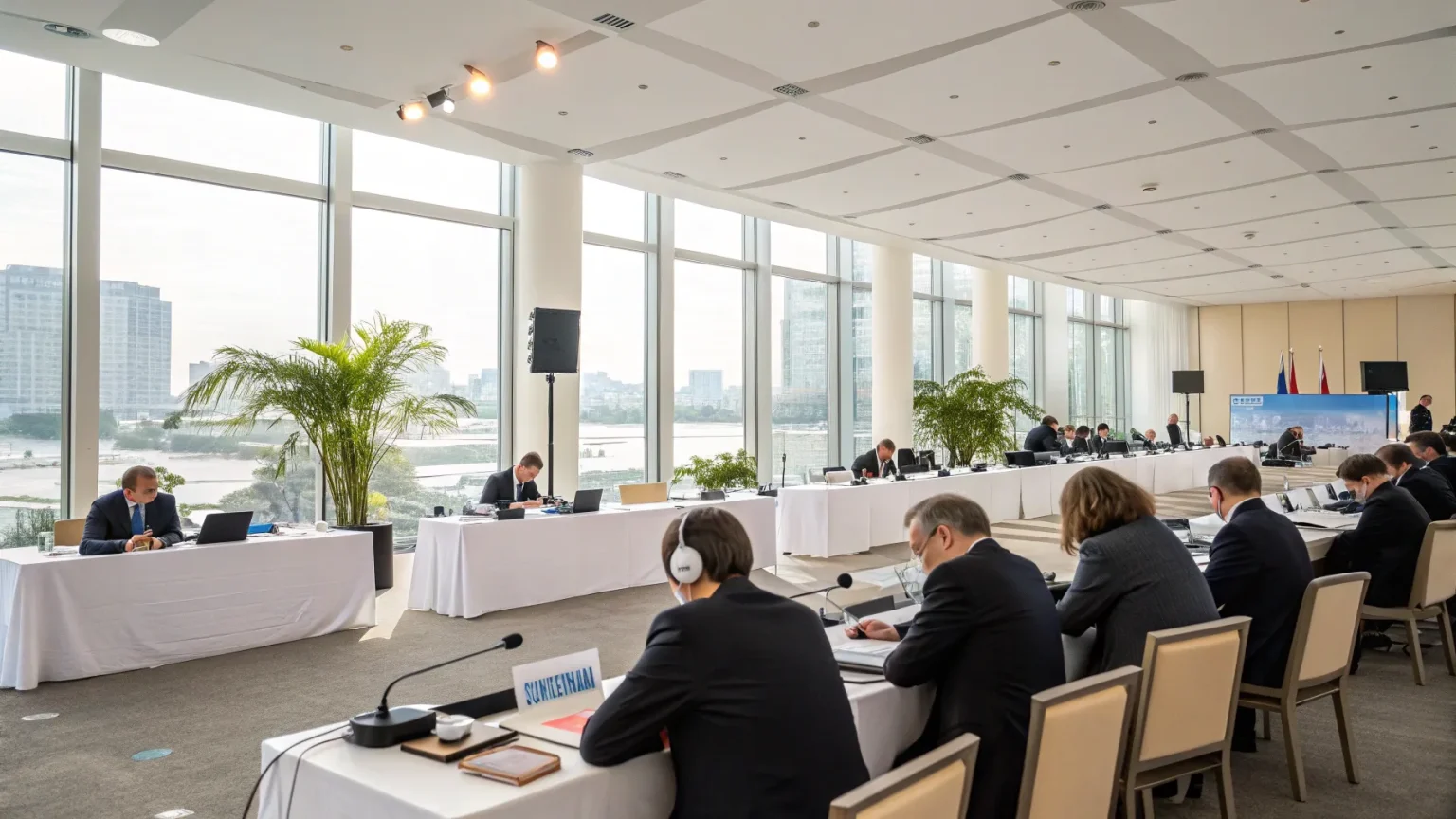
The message was clear from the start: this gathering is about outcomes, not optics. As one organizer framed it,
“The annual conference has always meant business.”
That line sets the tone for an event designed to turn meetings into contracts, panels into partnerships, and ideas into pilot projects. Attendees arrived with pitch decks, draft term sheets, and a tight schedule. The focus is on closing the gap between discussion and delivery.
Background: From Keynotes to Contracts
Many annual business conferences have evolved over the past decade. Keynotes still draw crowds, but attendees report the true value comes from targeted matchmaking and small-room workshops. The shift accelerated as organizations sought measurable returns on travel and sponsorships. Organizers now publish highlights such as partnership counts, jobs supported, and pilot launches to show impact.
Exhibitor halls have also changed. Instead of only product demos, booths double as meeting hubs. Startups sit next to major buyers and investors, aiming for quick feedback and real commitments. A growing number of sessions focus on procurement roadmaps, budget timing, and regulatory timelines so deals can move faster after the event.
Deals Over Speeches
Attendees say the strongest sessions are practical and short. Breakouts center on procurement requirements, integration steps, and risk management. Speakers offer checklists and share contract templates. The day often ends with scheduled one-on-ones.
Supporters argue this format saves time and money. “If a panel doesn’t help someone take the next step, it doesn’t belong on the agenda,” said one moderator during a discussion on vendor onboarding. Several participants praised the emphasis on measurable commitments, such as purchase pilots or co-development agreements within 90 days.
Multiple Viewpoints On Access
For some, the high-speed deal flow can be a barrier. Smaller companies worry they lack the staff to cover parallel meetings. Others point to high travel costs and exhibit fees. Accessibility advocates call for expanded virtual access and recorded sessions, so smaller teams can learn even if they cannot attend every room.
Organizers say they are testing lower-cost passes, remote mentoring hours, and curated introductions for first-time founders. Some also reserve demo time for community groups or student teams. The goal, they say, is to keep the event efficient without making it exclusive.
What Attendees Want
Buyer and vendor surveys often highlight the same needs:
- Clear budget windows and purchase timelines.
- Technical and security requirements in plain language.
- Reference customers and performance benchmarks.
- Introductions to decision-makers, not just influencers.
Many attendees also ask for fewer overlapping sessions and more repeat runs of high-demand workshops. They prefer materials that can be reused back at the office, such as scorecards, sample statements of work, and risk checklists.
Measuring Impact
The event’s promise rests on follow-through. Organizers encourage participants to set milestones before leaving: a proof-of-concept start date, the next security review, or a joint press update. Some industry groups propose scorecards that track outcomes after 30, 60, and 180 days. The aim is to reduce “conference drift,” where momentum fades once badges come off.
There is also growing interest in independent audits of claimed outcomes. Sponsors and attendees want clarity on how many deals closed, how much spending shifted to new vendors, and how many pilots scaled. Transparent reporting can build trust and guide next year’s agenda.
The Road Ahead
Looking forward, several trends appear likely. Hybrid access will stay, but curated in-person meetings will remain central. Compliance and security will move even earlier in the sales cycle. And public sector buyers may play a bigger role, given their demand for clear documentation and vendor diversity.
Startups will continue to seek faster paths to proof-of-concept with anchor customers. Larger enterprises will press for integration plans that cut risk and time to value. If both sides leave with concrete next steps, the event will have done its job.
The core promise endures in the simple opening line. The conference is built for action, not display. The test will come in the months ahead, as attendees turn handshakes into signed agreements and pilots into lasting programs. Watch for published outcomes, clearer procurement tracks, and more transparency on what deals actually close. That is how this gathering will prove it still means business.


