

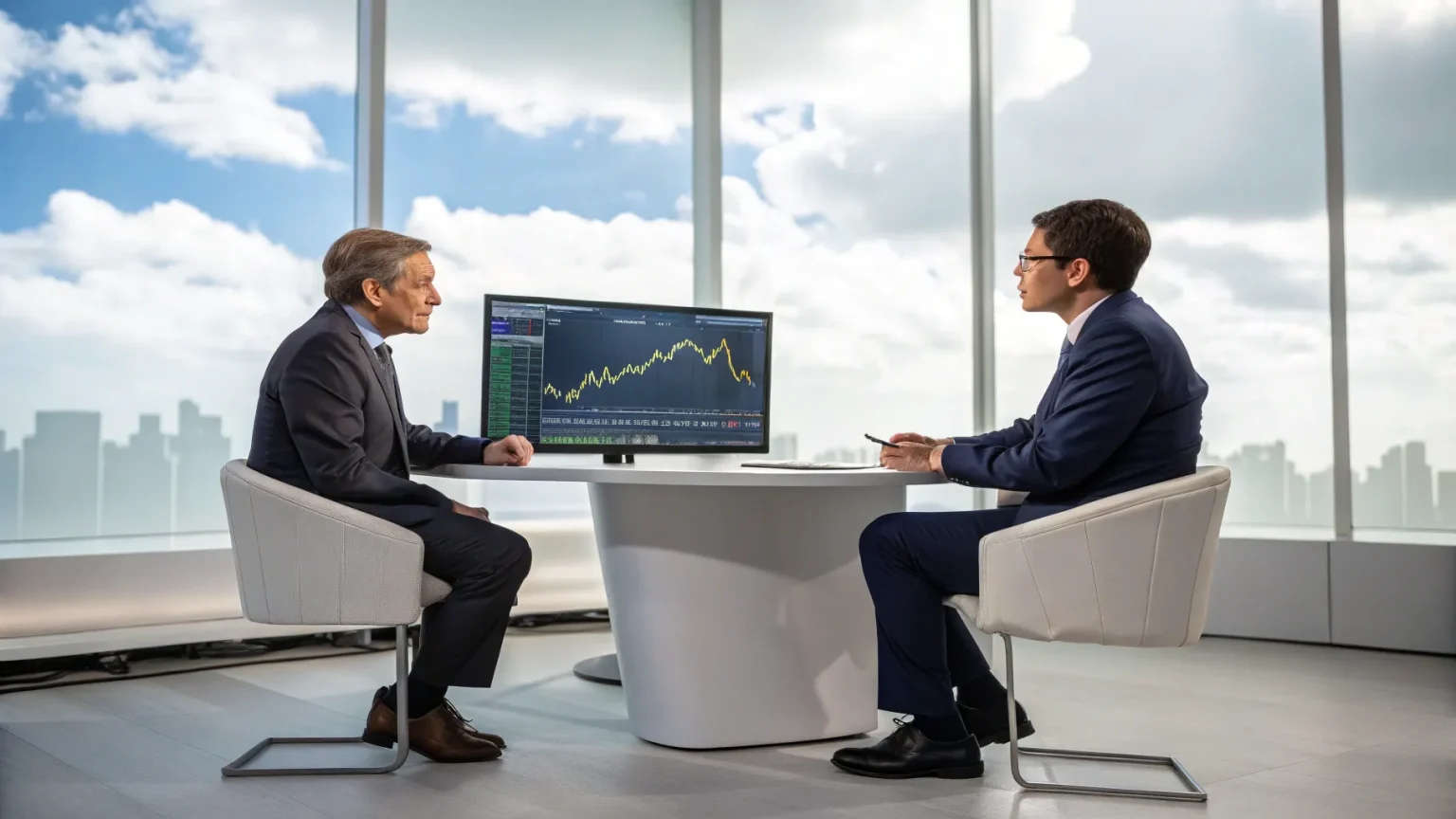
On Thursday, market commentators Alexis Garcia and Ed Carson examined stocks and indexes on the program Stock Market Today, weighing what worked, what faltered, and what to watch next. Their discussion centered on broad market action, leadership trends, and how investors might prepare for near-term catalysts as trading conditions shift.
The hosts reviewed price action during the session and highlighted practical signals that often mark turning points. They also discussed stocks on watchlists and the setups that tend to have better odds when markets are uncertain. The focus was on preparation rather than prediction, with an emphasis on risk control.
Why Thursday’s Action Matters
Single sessions can set the tone for the days ahead, especially around earnings, inflation reports, or policy headlines. Garcia and Carson pointed to the need for context. A big move means less without understanding where indexes stand over weeks and months. They stressed the importance of tracking trend direction and the health of leading stocks.
Market watchers often look past headlines and study the clues within price and volume. That is where momentum, leadership, and sector rotation tend to show up. The hosts aimed to connect those signals to practical steps investors can take.
Reading Indexes and Leadership
The conversation weighed how indexes behave at moving averages and prior highs. Those areas can act as support or resistance. When indexes reclaim important levels on rising volume, it can hint at renewed buying. When they break below them on heavy selling, caution is warranted.
Leadership matters just as much. Strong markets usually feature a mix of growth and cyclical leaders. Weak markets often see narrow leadership or defensive groups doing most of the work. The hosts called attention to how quickly leadership can shift, which demands a flexible plan.
How They Think About Stocks To Watch
Rather than chasing the biggest intraday moves, the discussion emphasized quality setups. Stocks near proper entries with tight risk are often preferable to extended names. Screens that combine earnings strength, revenue growth, and relative price performance can help narrow the field.
- Look for stocks building sound bases with support at key averages.
- Favor names with rising relative strength against their industry peers.
- Be wary of breakouts without strong volume.
- Know the risk level and plan exits before entering.
They also noted that watchlists should be dynamic. As conditions improve, they can add potential leaders. If conditions weaken, they can trim or step aside. The process aims to keep investors ready for either outcome.
Key Catalysts On The Horizon
Market direction often hinges on the next round of earnings, labor data, or inflation readings. Any shift in rate expectations can ripple across growth, banks, and industrials. The hosts highlighted how catalysts can drive short bursts of volatility that shake out weak hands and reward disciplined plans.
Sector-specific news can also spark rotation. New product launches, regulatory actions, or merger headlines may move individual groups. That is why investors track both the broad trend and the sectors showing fresh strength.
Risk Management Remains Central
Garcia and Carson framed risk as part of every trade. Position sizing, stop-loss levels, and staggered entries can help reduce damage when markets turn. The goal is to stay in sync with the trend while keeping losses small and gains meaningful.
They also discussed patience. Sometimes, the best move is to wait for clearer signals. Investors do not need to be fully invested at all times. Protecting capital during chop can help when the next sustained uptrend appears.
What Viewers Can Take Away
The overarching message was discipline. Track the indexes. Watch leadership. Prepare for catalysts. Keep a curated list of stocks with strong fundamentals and constructive charts. Act only when the odds are favorable and the plan is clear.
Thursday’s review served as a reminder that markets can change quickly. A single strong day does not fix a weak trend, and a single weak day does not end a healthy one. Process guides decisions when headlines are loud.
As the next week approaches, investors will watch how indexes handle key levels and whether leadership broadens. If conditions improve, selective exposure may make sense. If selling pressure spreads, defense and patience can help. Either way, a steady routine of review and preparation, as outlined by Garcia and Carson, remains essential.


