

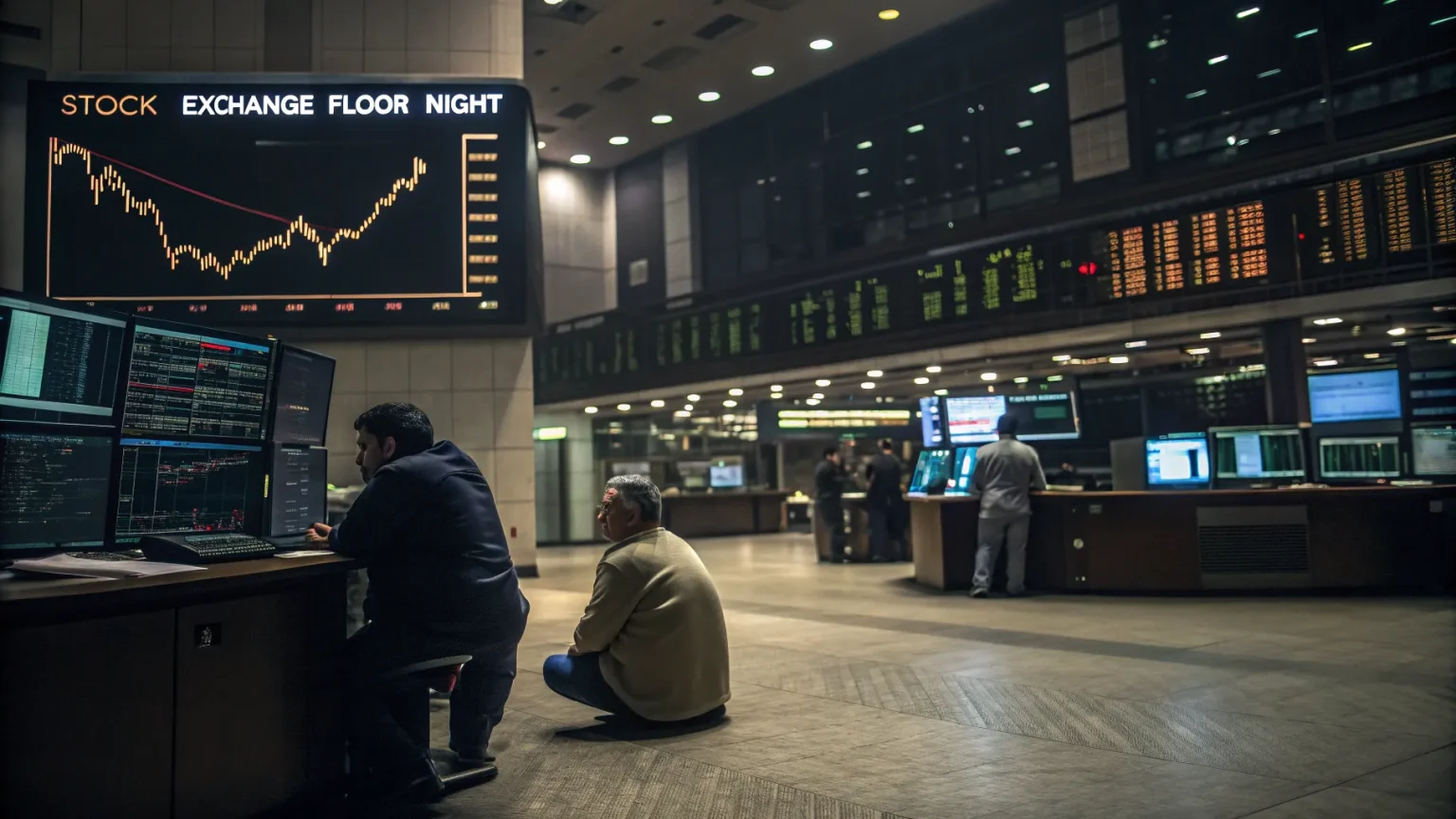
Stocks that surge or sink after the closing bell often set the tone for the next day. As companies release earnings and updates in the evening, investors react quickly in thinner markets. The largest movers in extended trading can hint at sector sentiment, corporate health, and near-term risk.
These moves typically unfold between 4:00 p.m. and 8:00 p.m. Eastern Time on electronic networks. Professional desks, algorithms, and active retail traders dominate this window. Their responses can be sharp, with price gaps that sometimes persist into the open.
“These are the stocks posting the largest moves in extended trading.”
How Extended Trading Works
After-hours trading takes place on electronic communication networks once the regular session ends. Orders match when prices line up, but participation is lower than during the day. That means wider spreads and faster swings.
Many companies time their earnings releases for late afternoon. Guidance and new disclosures arrive at the same moment. Traders mark prices higher or lower as they parse the numbers and commentary.
Overnight futures and global headlines feed into this process. A policy headline or geopolitical event can amplify reactions to company news. Currency moves can also shape the initial take on multinational firms.
What Moves Stocks After the Bell
Earnings surprises drive much of the action. When reported revenue or profit beats expectations, shares can jump. Misses or soft guidance can push them down.
- Forward guidance: The outlook can matter more than the quarter.
- Margins and cash flow: Quality of profit draws close scrutiny.
- Customer growth and churn: Key for software and subscriptions.
- Regulatory or legal updates: Sudden risks can hit valuation.
- Buybacks and dividends: Capital plans can support price.
Executives’ tone on conference calls also sways pricing. A cautious comment on demand or inventory can override a headline beat. Likewise, clear plans on costs can steady a weak print.
Liquidity, Risks, and Opportunities
The main risk in extended hours is liquidity. Fewer resting orders mean price can gap on modest volume. Slippage can be large for market orders.
Some traders wait for the conference call before acting. Others scale in with limit orders to manage fills. Algorithmic strategies try to balance speed with price control.
Volatility cuts both ways. A first reaction can prove wrong after details emerge in filings. Revisions to numbers or one-time items can change the story minutes later.
Reading the Signal for the Next Session
Big after-hours moves often carry into the open, but not always. Pre-market trading can retrace or extend the move as more investors weigh in. Overnight analyst notes and rating changes can shift sentiment again.
Sector sympathy is common. A strong report from one leader can lift peers. A weak outlook from a supplier can pressure customers and competitors alike.
Traders watch equity index futures for confirmation. If a stock falls on company news while futures rise, the open may soften the blow. If futures slide too, pressure can build.
What Investors Can Do Now
A plan helps in volatile windows. Know the key metrics for each company before results hit. Track consensus estimates and any pre-announced changes.
- Use limit orders to manage entry and exit prices.
- Size positions for higher volatility than regular hours.
- Listen to management commentary, not just the headline number.
- Watch peer moves for confirmation or contradiction.
Long-term investors may choose patience. Waiting for the next day’s open can reduce noise, though not eliminate gap risk. For short-term traders, preparation and discipline are vital.
As extended trading highlights winners and laggards, the market absorbs new information fast. The biggest movers can shape narratives for days. Watch for revised guidance, analyst reactions, and sector follow-through to judge which moves have staying power, and which were only the first draft of price discovery.


