

Afro Sheen helped shape an era, brightening a hairstyle and bankrolling a TV phenomenon while building a business that lifted a community. From Chicago, Joan and George Johnson turned Johnson Products into a force in Black hair care, financed Soul Train, and supported civil rights. Their company helped grow the Black middle class and set the stage for a multi-billion-dollar market. Yet, despite building the field, the founders no longer hold a place in it.
Roots Of A Chicago Powerhouse
Johnson Products began with a simple idea: make products designed for Black hair, by people who knew the needs firsthand. The company’s leaders, Joan and George Johnson, understood both style and daily life. That focus translated into steady growth and national reach.
Corporate success followed consumer trust. As demand increased, Johnson Products expanded its line and invested in marketing that spoke directly to Black households. The firm became one of the first widely recognized Black-owned brands on store shelves across the country.
“Their intimate understanding of what Black people wanted and needed — for their hair and for their lives — helped grow the Black middle class and became an engine for Black culture and power.”
Cultural Impact: From Afro Sheen To Soul Train
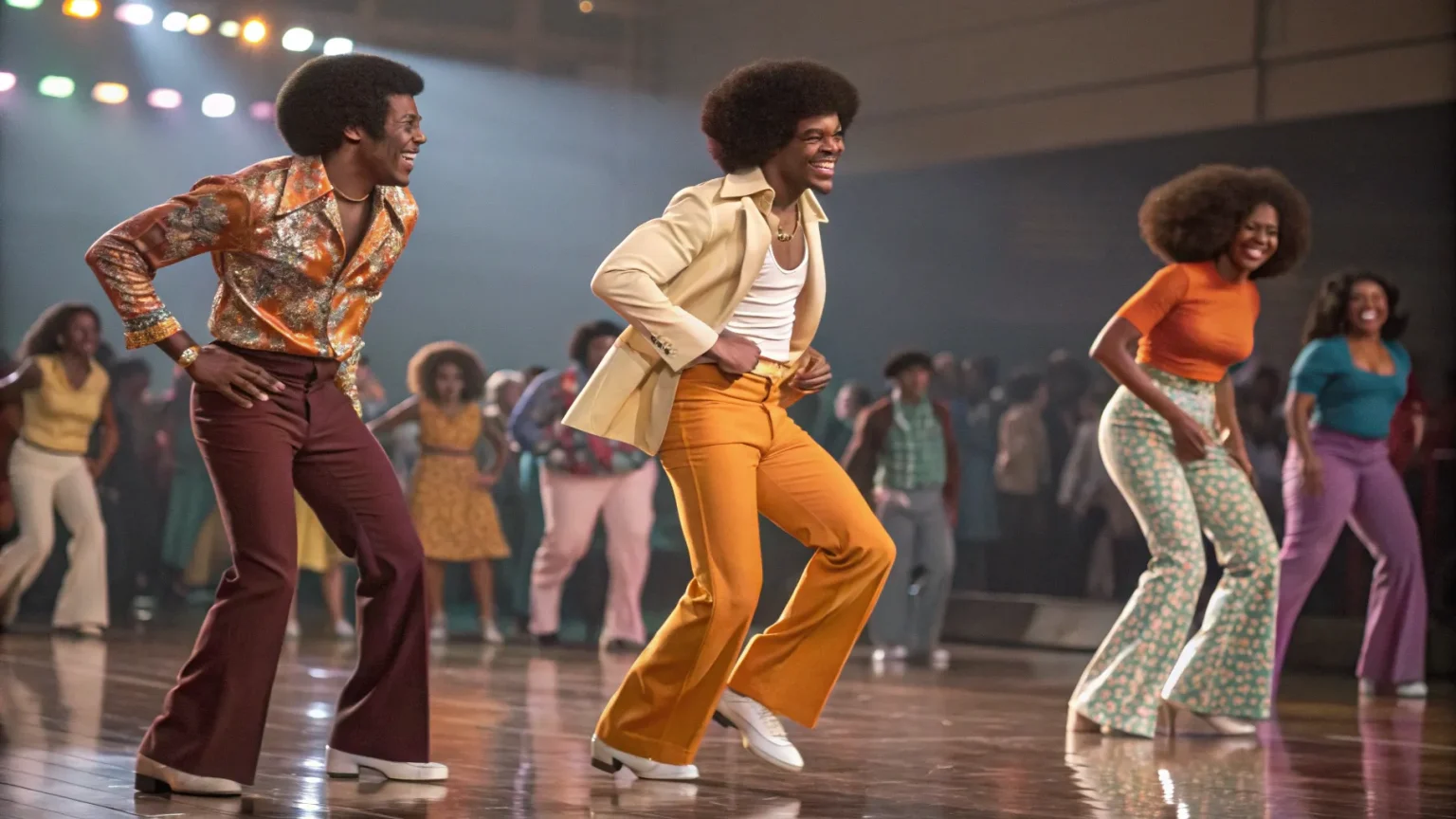
Afro Sheen was more than a styling aid. It became a symbol. As the afro emerged as a statement of pride, the product gave the look polish and visibility. The brand’s presence in homes and salons fed a broader cultural movement.
The company’s role reached television. Johnson money helped put Soul Train on the air, turning the show into a weekly showcase of music, dance, and style. That funding linked a haircare line to a national platform celebrating Black joy and talent.
“Afro Sheen did so much more than make Black afros shine. It was the money behind the television show Soul Train.”
That connection also fed commerce. Artists, dancers, and viewers saw styles, embraced them, and bought the products that supported those looks. Culture and business moved together.
Changing Styles, Shifting Markets
The company’s story can be told through three looks: the conk, the afro, and the jheri curl. Each style reflected a mood and a moment. Each demanded different products and marketing.
- The conk linked to earlier decades and chemical straightening.
- The afro signaled pride and solidarity in the civil rights era.
- The jheri curl marked a later wave with new textures and trends.
With each turn, the market evolved. New rivals arrived. Distribution and advertising changed. As mainstream companies grew more attentive to Black consumers, the competition intensified. The very market that Johnson Products helped create drew larger players with deeper budgets.
Industry Built, Ownership Lost
By the time the sector reached multi-billion-dollar scale, the founders’ share was gone. The irony is clear: the couple who helped set the terms of the business no longer shaped its future. The reasons mirror common pressures on legacy brands, from shifting consumer habits to consolidation.
Hosts Sonari Glinton and Erika Beras present the arc as both business history and cultural chronicle. The company’s ascent reflected a community’s demand for representation. Its fade from ownership reflects how markets absorb pioneers.
What Endures And What Comes Next
The imprint remains. Afro Sheen sits in the story of style, media, and social change. The brand’s support of Soul Train linked enterprise to art and activism. It also showed how consumer dollars can move culture.
Today’s haircare shelves are crowded, and the audience is larger than ever. The question is who benefits. Equity, control, and reinvestment in Black communities remain central issues as the market expands.
As the hosts put it, this is a story about hair, but also about power. It shows how a product line fueled pride, media visibility, and economic mobility. It also shows how gains can slip without sustained ownership.
The next chapter will be written by founders who pair cultural insight with scale. Watch for brands that protect control, invest in creators, and connect style to community needs. The playbook Johnson Products wrote is still in circulation; the lesson is to keep the pen.


