

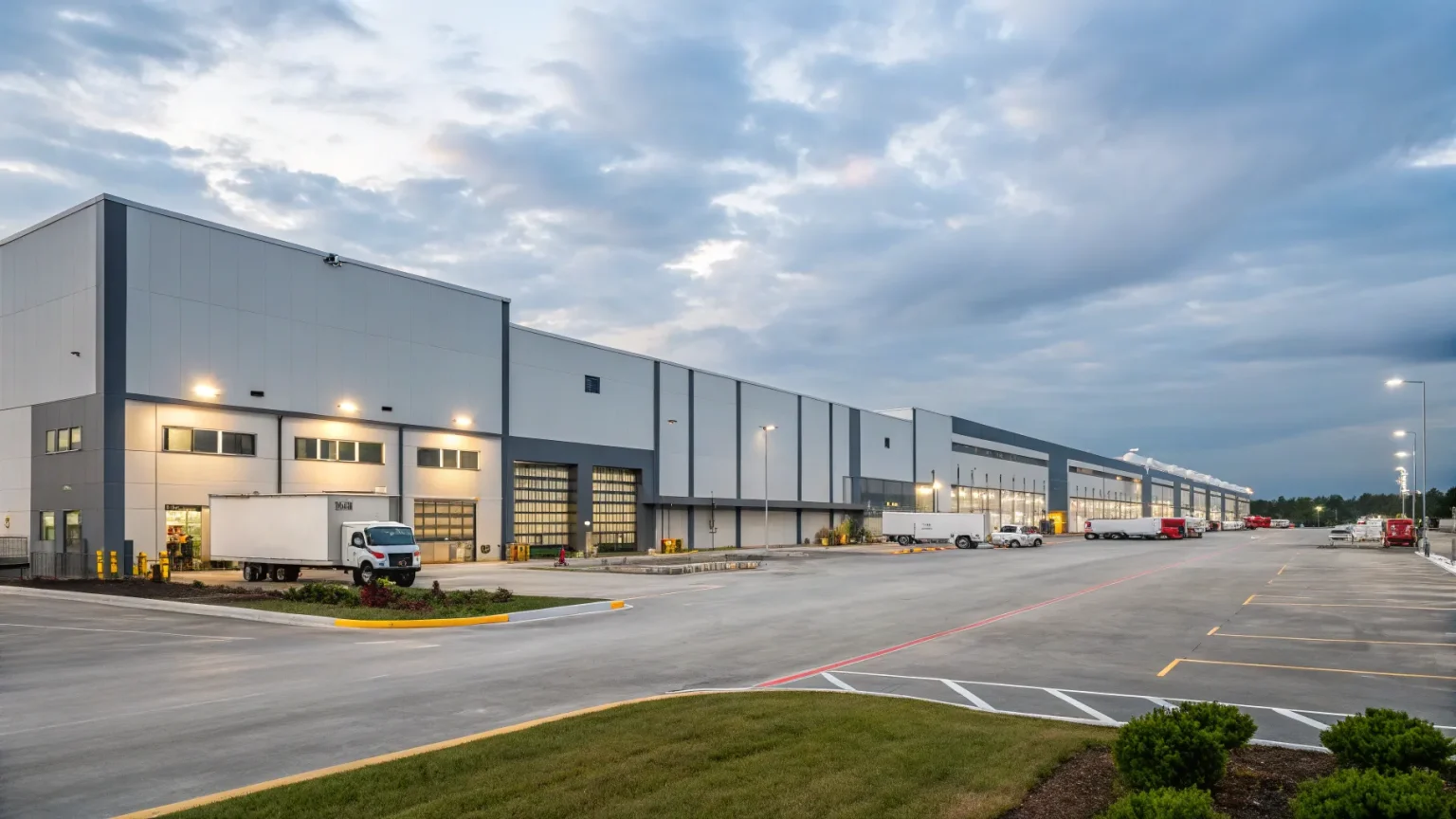
Industrial properties are back in focus as two senior investors reaffirm their case for the sector. In a recent discussion, Brendan McCurdy and Dave Fazekas explained why they view industrial real estate as a top opportunity for their firm. Their stance comes as investors weigh steady tenant demand against higher financing costs and a cooling economy.
The pair laid out why they think warehouses and logistics assets still offer attractive risk-adjusted returns. They pointed to steady leasing, structural shifts in retail, and supply-chain changes that support long-term demand. The timing matters as new supply crests and rent growth moderates from pandemic highs.
“Industrial real estate remains one of the firm’s highest-conviction investment opportunities,” said Brendan McCurdy and Dave Fazekas.
Why Industrial Still Draws Capital
Industrial demand has been anchored by e-commerce, inventory padding, and nearshoring. Even as online sales growth cools from 2020-2021 spikes, many retailers keep higher safety stock. That means more space for distribution and returns processing.
Brokerage and industry researchers have reported a small increase in vacancies from record lows in 2021-2022, but occupancy remains healthy by historical standards. Rents have continued to grow, though at a slower pace than in the prior two years. Developers started large pipelines during the boom, and new deliveries have been absorbed unevenly by market.
McCurdy and Fazekas argued that durable demand supports a long runway for selective buyers. They favor high-quality locations with transportation access, modern ceiling heights, and energy-efficient features that cut tenant costs.
Shifts Inside the Warehouse Market
The mix of demand has changed. Big-box regional hubs still matter, but users are also leasing smaller, infill sites to speed delivery. Cold storage is getting attention as grocers expand online orders. Reverse logistics facilities are more common as brands handle returns closer to customers.
Manufacturing-linked demand has risen in some regions tied to autos, semiconductors, and clean energy. Near-border markets have seen interest from suppliers serving North American plants. These patterns support a more diverse tenant base than a decade ago.
Pressure From Rates and Supply
The largest headwind is the cost of capital. Interest rates lifted cap rates and reset pricing across property types. Buyers now underwrite slower rent growth and higher exit rates. Debt service coverage is a key constraint for leveraged deals.
New supply is another swing factor. Projects launched during the low-rate period are still delivering. Some markets face a temporary glut, which pressures landlord concessions. McCurdy and Fazekas acknowledged the risk but suggested the pipeline is easing as starts fall, setting up a more balanced 2025-2026.
How Investors Are Positioning
- Favor infill locations near dense populations and ports.
- Seek shorter build times and flexible bay depths.
- Underwrite rent steps with conservative renewal assumptions.
- Target assets with energy upgrades to reduce operating costs.
They highlighted the gap between prime and average buildings. Functional obsolescence can drag returns as tenants prefer modern specs, trailer parking, and clear heights. That puts emphasis on selective acquisitions and active asset management.
What Tenants Want Now
Tenants continue to value speed, reliability, and lower total logistics costs. Proximity to consumers cuts delivery miles. Access to highways and intermodal rail helps regional networks. Power availability is rising in importance as automation increases. ESG reporting pushes some tenants toward buildings with certifications and lower utility use.
Risks and Alternative Views
There are credible counterpoints. If consumer spending slows, leasing could decelerate. A prolonged period of high rates may widen bid-ask spreads and curb transactions. In markets with heavy new supply, rents could flatten until space fills.
Still, many analysts expect steady, if slower, absorption. Research from firms such as CBRE, JLL, and Prologis has pointed to long-term demand drivers tied to e-commerce penetration and modernizing supply chains. The pace will vary by market and asset quality.
What to Watch Next
Investors will watch for signs that new construction is winding down and that vacancy peaks. Rent growth trends in coastal infill markets could signal a floor for pricing. Policy incentives for domestic manufacturing may support build-to-suit demand in select regions. Freight costs and delivery times will also shape site selection.
McCurdy and Fazekas remain confident that disciplined buying can work through the cycle. They argue that tenant needs are still shifting toward efficient, well-located space. If supply cools while demand holds, the sector could regain pricing power.
For now, the message is measured. Industrial real estate faces real headwinds from rates and deliveries. But with careful market selection and attention to building quality, the case for long-term growth remains intact.


