

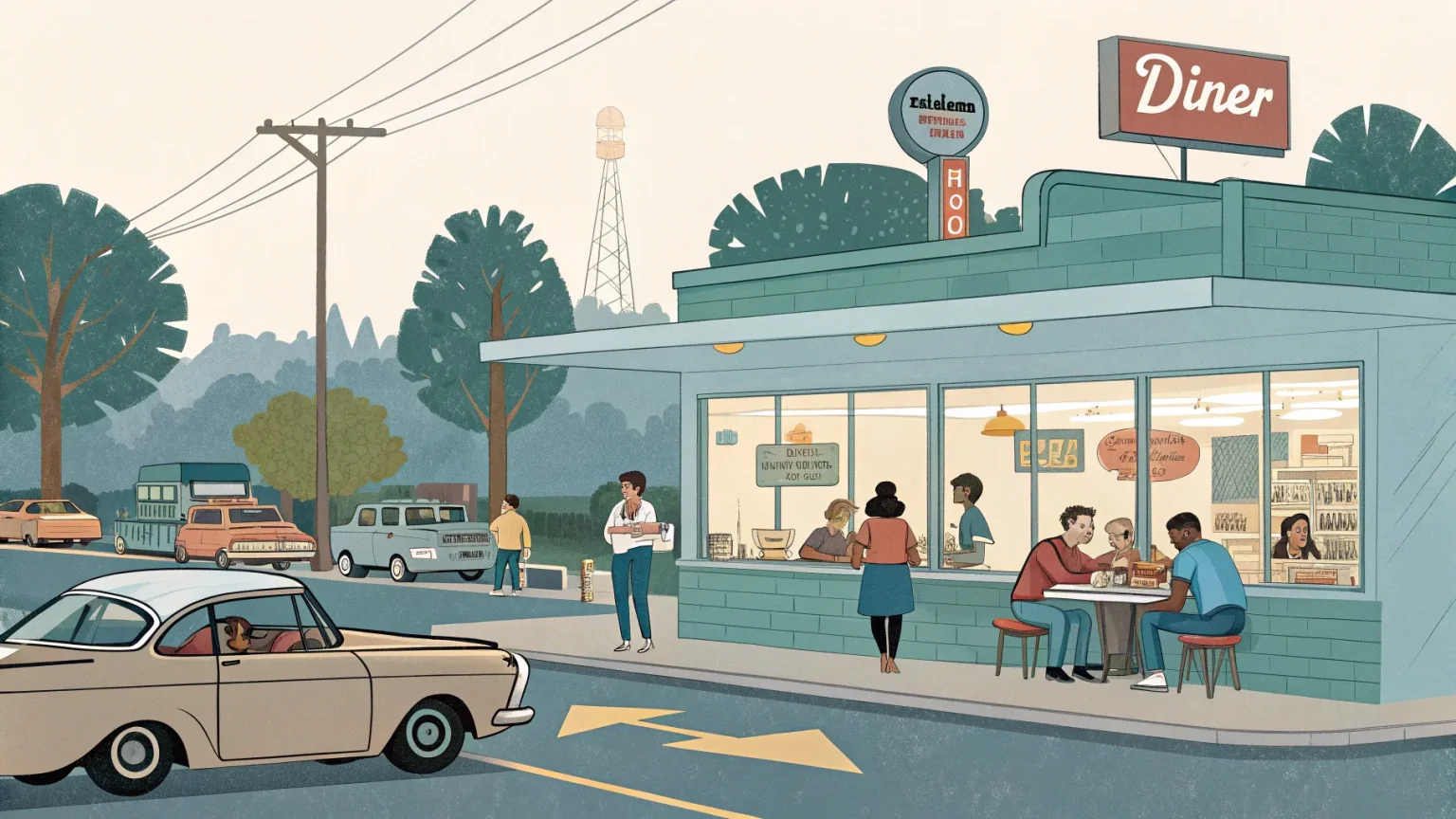
Everyone chases flashy startups. I prefer steady cash flow, hard assets, and simple operations. That’s where real wealth lives. The best example comes from a client who buys small, must-go eateries—pancake houses and diners—where the food is solid and the locals show up like clockwork. The model is simple, smart, and repeatable. My stance is clear: own the dirt, own the cash flow, and fix what others ignore.
“He finds out where’s the must-go restaurant… a pancake house, simple places like a little diner… he buys the real estate from these baby boomers… improves labor costs, invests into it… puts a small down payment and then buys out the owner with the cash flow from the business.”
The Play: Real Estate First, Operations Second
This approach works because it starts with the right asset. Buying the building and the business together is a cheat code. The building gives control and stability. The business gives cash flow and tax advantages. Combine them, and you can scale without gambling on hype.
Most of these owners are aging and want out. They value legacy and certainty more than top dollar. That opens the door for seller terms and small down payments. The business carries the note. Improvements increase cash flow. The deal becomes safer each month.

Why Simple Beats Sexy
Simple businesses hide in plain sight. They have lines on Saturday morning and loyal staff. They also have outdated systems, sloppy labor schedules, and old menus that don’t match margins. Fix those, and profits jump without adding crazy risk. Operational ignorance from the seller is your first return.
- Update pricing to match food costs and inflation.
- Install basic tech: POS upgrades, online ordering, and scheduling tools.
- Tighten labor by aligning staff to peak hours.
- Renegotiate vendor terms and shrink waste.
- Create a “must-go” brand around one or two hero items.
These are not fancy moves. They are obvious, but they compound. Each small win reduces risk and increases cash flow.
Respect the Numbers, Not the Narrative
Deals like this are not magic. They are math. You look for consistent foot traffic and a brand people actually use. You check seasonality, wage leakage, and ticket size. If the real estate holds value and the business has loyal guests, the rest is execution.
I’ve seen this repeatedly. A small down payment. Seller financing or bank support. Cash flow that pays down the note. Then a rinse-and-repeat approach on the next corner café. Aggregation beats speculation.
“He owns the real estate and he owns the business… he improves it and adds technology… and he is crushing it.”
Common Pushback—and Why It Falls Apart
Some say restaurants are risky. They are when you bet on trends and ignore the books. But diners and family spots with decades of regulars are different. The risk comes from bad buying and sloppy execution, not the category.
Others worry about leverage. Fair point. But when the cash flow is proven, the terms are friendly, and the property is solid, debt is a tool. It’s the reckless buys that blow up, not the disciplined ones.
The Real Lesson
Wealth isn’t about guessing the next big thing. It’s about stacking cash-flowing assets you understand. Pair an operating business with the real estate it lives in, and you gain control, tax strategy, and stability. Control is profit.
- Pick “must-go” spots, not “must-try” trends.
- Buy from owners who want clean exits, not bidding wars.
- Secure the building to lock in control and upside.
- Improve labor, tech, and pricing in the first 90 days.
- Use cash flow to retire the note and scale to the next location.
I built my career helping owners keep more of what they make and invest where they have an edge. This model checks every box: cash flow, control, and real assets. It’s not glamorous. It is effective.
Final Thought
Stop chasing noise. Start buying cash flow you can touch, improve, and keep. If you’re serious, walk your city this week. Find the lines. Meet the owners. Ask about succession. Make one honest offer with clear terms. Then do the work that others skip.
Own the dirt. Own the business. Own your outcome.


