

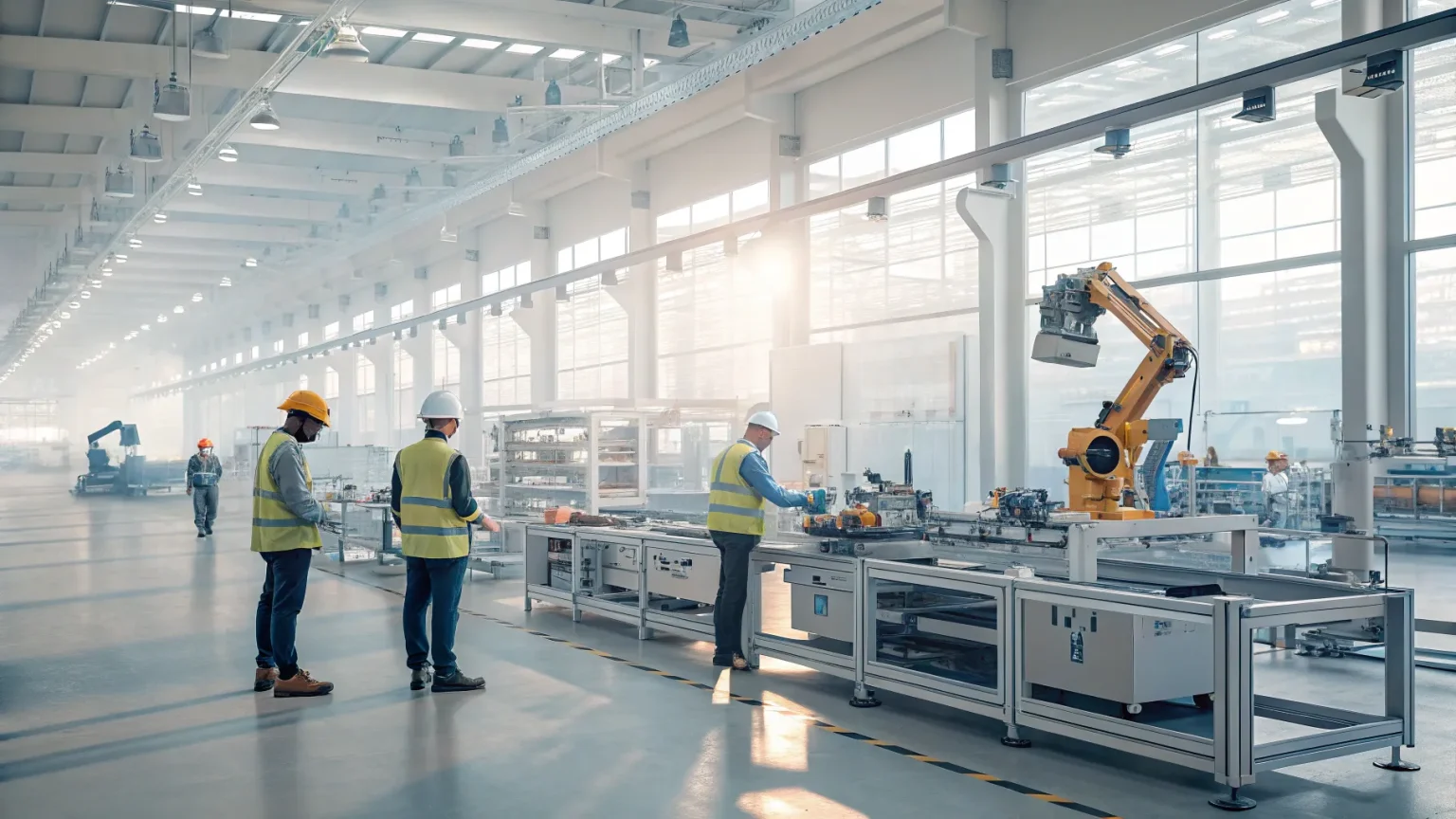
Ford Chief Executive Jim Farley has warned that a growing share of workers who keep the economy running are being left out of the artificial intelligence boom. In recent comments, he flagged a “crisis” in what he called the essential economy—the blue-collar and frontline jobs that power factories, logistics networks, and services. His concern lands as industries race to adopt AI tools that boost efficiency while raising new questions about who benefits and who gets left behind.
The warning focuses attention on a key fault line: while tech investment accelerates, many skilled trades and hourly roles face disruption, fewer training opportunities, and uneven pay growth. Farley’s message calls for urgent action from companies, educators, and policymakers to ensure AI supports these workers rather than marginalizing them.
What Is the “Essential Economy”?
During the pandemic, “essential” workers were widely recognized for keeping supply chains and services running. That group includes manufacturing workers, truck drivers, warehouse staff, utilities crews, mechanics, and health aides—jobs that cannot be done entirely from a laptop. Many of these roles are now being reshaped by AI-driven scheduling, predictive maintenance, automated inspection, and increasingly smart robotics.
Farley’s core argument is straightforward: the race to deploy AI is often centered on software and office tasks, while the people who move goods, fix machines, and assemble products may see fewer direct benefits. He warned that neglecting these workers risks widening wage gaps and weakening the industrial base.
Farley’s Alarm and What He Said
“Jim Farley has identified a crisis in the ‘essential economy’ of overlooked blue-collar workers in the AI race.”
By framing the problem as a crisis, Farley signals that the issue is not just about future displacement; it is about current underinvestment in training, safety, and job design as AI tools roll out on shop floors. The statement suggests a need to redesign adoption plans with frontline workers in mind from the start.
Why It Matters to Industry
Manufacturing and logistics depend on tight coordination across thousands of small suppliers and contractors. If AI increases productivity only for large firms or office roles, smaller shops could struggle to keep up. That can slow product launches, worsen parts shortages, and reduce quality.
There is also a talent pipeline problem. Many trades already report hiring challenges. If young workers believe blue-collar jobs offer shrinking prospects in an AI-centric economy, fewer will seek apprenticeships. That would compound shortages and inflate costs.
Different Views on AI’s Impact
Labor advocates argue that productivity gains should be shared through higher wages, safer workplaces, and shorter training paths. They want workers at the table when companies choose new tools and set standards for data use and performance monitoring.
Some executives counter that AI will create safer, better-paid roles by removing repetitive tasks and enabling workers to supervise automated systems. They point to growing needs for maintenance technicians, quality specialists, and robotics operators—jobs that blend hands-on skill with digital fluency.
Economists often land in the middle. Past technology waves both displaced and created jobs, but outcomes depended on training access, mobility, and regional investment. The same will likely hold true with AI.
Data, Training, and the Shop Floor
AI can help predict equipment failures, reduce scrap, and speed inspections. Yet those wins require high-quality data from the factory floor and workers trained to interpret alerts. Without that, tools can misfire, adding stress and rework.
- Skills: Short, stackable credentials and paid on-the-job training help workers adapt.
- Safety and Trust: Clear rules on monitoring and data privacy build acceptance.
- Fair Gains: Sharing productivity improvements encourages adoption.
Case studies from advanced plants show that pairing technicians with AI systems can lift output and reduce downtime. But the results depend on local management, union engagement, and support for continuous learning.
What Companies and Policymakers Can Do
Farley’s warning aligns with a broader call for investment in technical education and regional manufacturing hubs. Companies can set aside budgets for reskilling and create promotion ladders that reward digital skills learned on the line. Partnerships with community colleges and trade schools can speed training aligned to real job needs.
Public programs can amplify those efforts with grants for equipment, scholarships for adult learners, and support for apprenticeships. Transparent reporting on how AI affects duties, pay, and safety can keep accountability high.
The message is clear: AI strategies that ignore blue-collar workers risk supply chain setbacks and deeper inequality. Farley’s focus on the essential economy offers a practical test for leaders—measure success not just by algorithms deployed, but by frontline jobs improved. The next phase to watch is whether major firms commit to training at scale, and whether policymakers match that pace with targeted support. The stakes include competitiveness, community stability, and the trust of workers who keep the economy running.


