

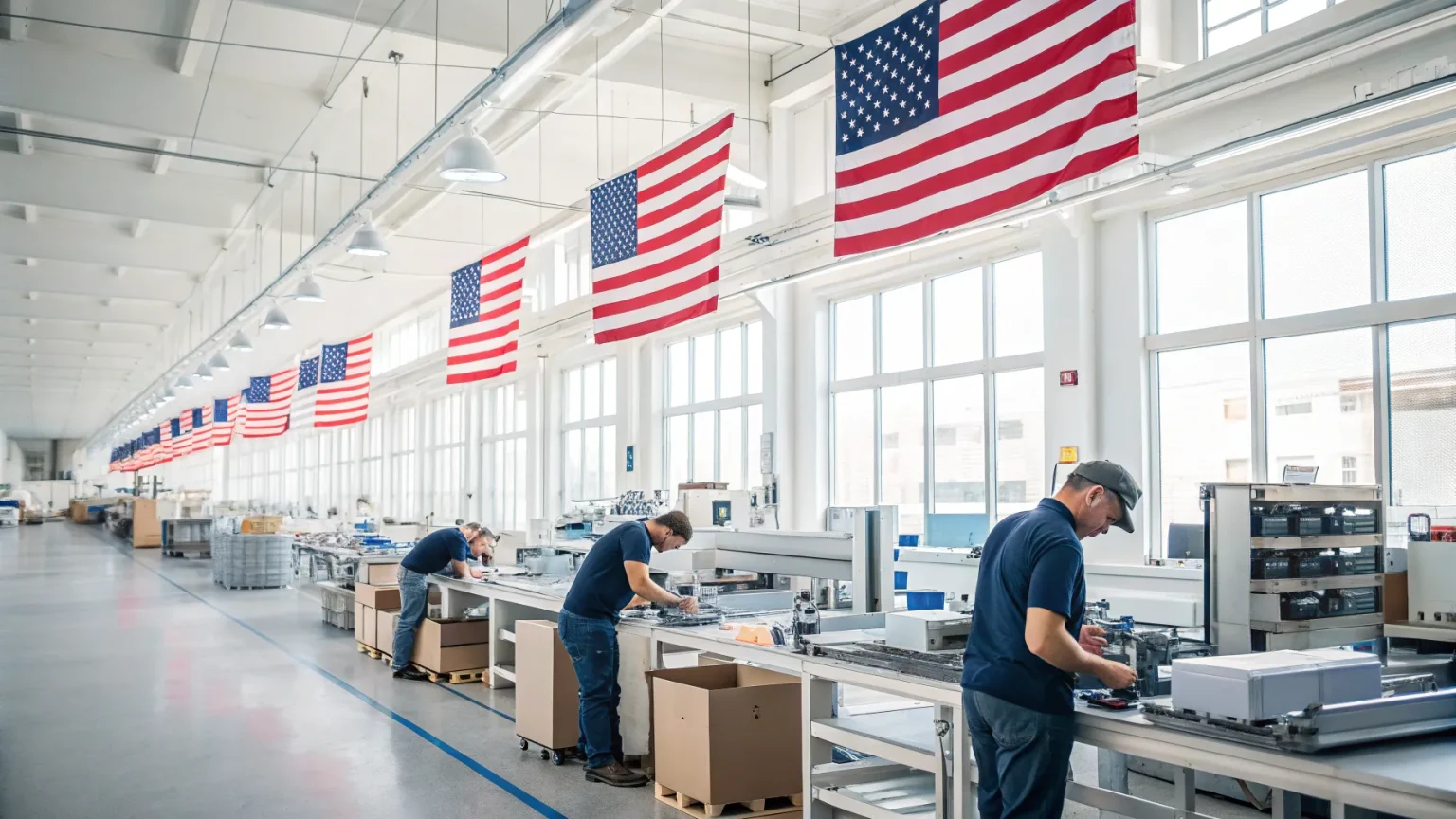
The Federal Trade Commission is designating July as “Made in the USA” month, signaling a fresh push to highlight domestic manufacturing and tighten oversight of origin claims. The effort, reported by FOX Business correspondent Lydia Hu, centers on encouraging accurate labeling and spotlighting American-made goods as the summer shopping season peaks.
The announcement places new attention on how companies promote U.S. origin claims and what those claims mean for consumers and manufacturers. It also points to a broader policy goal from FTC leadership, including Commissioner Andrew Ferguson, to raise confidence in labels and support fair competition.
Why Origin Claims Matter
Country-of-origin labels influence consumer choices, especially during high-spend periods like July retail events and back-to-school shopping. For many buyers, a U.S. label signals quality, safety standards, and domestic jobs. For businesses, it can justify premium pricing and build brand trust.
Under the FTC’s long-standing standard, a product marketed as “Made in USA” should be “all or virtually all” made domestically. That means the product’s significant components and processing should be of U.S. origin, with only a negligible amount of foreign content.
“Made in the USA” month
The month-long focus is designed to educate both consumers and companies on what that label requires in practice.
Regulatory Background and Enforcement
The FTC finalized a Made in USA Labeling Rule in 2021. The rule formalized the long-standing standard, expanded the agency’s ability to seek civil penalties, and aimed to deter deceptive marketing. Since then, the FTC has pursued enforcement actions against firms that overstated or misstated U.S. origin in their advertising and packaging.
Penalties can be costly and can include monetary fines, compliance reporting, and changes to marketing materials. The Commission has also pushed companies to clarify origin disclosures for complex supply chains, especially in consumer goods, apparel, and home products.
- Labels must reflect where significant manufacturing occurs.
- Qualified claims (such as “Assembled in USA”) need clear, accurate context.
- Importing parts or processes cannot be minimized or omitted.
Voices, Goals, and Industry Reaction
Hu’s report highlights Commissioner Andrew Ferguson’s priorities around American-made products and truthful labeling. The FTC’s message aligns with broader public interest in domestic production and supply chain resilience. While Ferguson’s specific action items were not detailed, the emphasis on goals suggests an agenda combining consumer education with compliance pressure.
Manufacturers generally welcome clear rules but warn that global supply chains are complicated. Small and medium-sized firms say documentation burdens can be heavy, especially when sourcing components from multiple countries. Consumer advocates counter that clear standards protect buyers from paying more for misleading claims.
Retail groups often support education campaigns that help brands avoid errors. They also call for guidance that offers practical examples, so companies know when to use unqualified “Made in USA” claims versus qualified statements like “Made in USA with imported parts.”
Economic Stakes and What Shoppers Should Know
Domestic manufacturing remains a major employer across sectors such as automotive, machinery, household goods, and food processing. Even small shifts in consumer demand can ripple through local economies. Accurate labels help align purchasing with values, whether buyers prioritize U.S. jobs, environmental standards, or product safety.
Consumers can check packaging and online product pages for qualified statements and disclosures. When in doubt, they can review a brand’s origin policy or look for third-party certifications. The FTC offers public guidance for understanding claims and provides a channel for reporting suspected deception.
What July’s Spotlight Could Change
A national focus month can drive audits, internal label reviews, and refreshed marketing. It may also prompt more voluntary corrections before enforcement steps in. For firms planning fall and holiday lines, July is an opportune time to confirm supplier attestations and refine claims.
If the campaign raises awareness, the near-term result could be fewer misleading labels and stronger consumer trust. Longer term, the effort could pressure supply chains to source more domestically where feasible, or to label more precisely when imports are essential.
The FTC’s decision to make July “Made in the USA” month sets clear expectations for brands and shoppers. With Commissioner Andrew Ferguson emphasizing goals for American-made products, companies can expect closer attention to origin claims and more education around the rules. The next few weeks will show whether the message drives better labeling practices. Watch for updated guidance, brand statements on sourcing, and any new enforcement actions that signal how far the agency plans to go this summer.


