

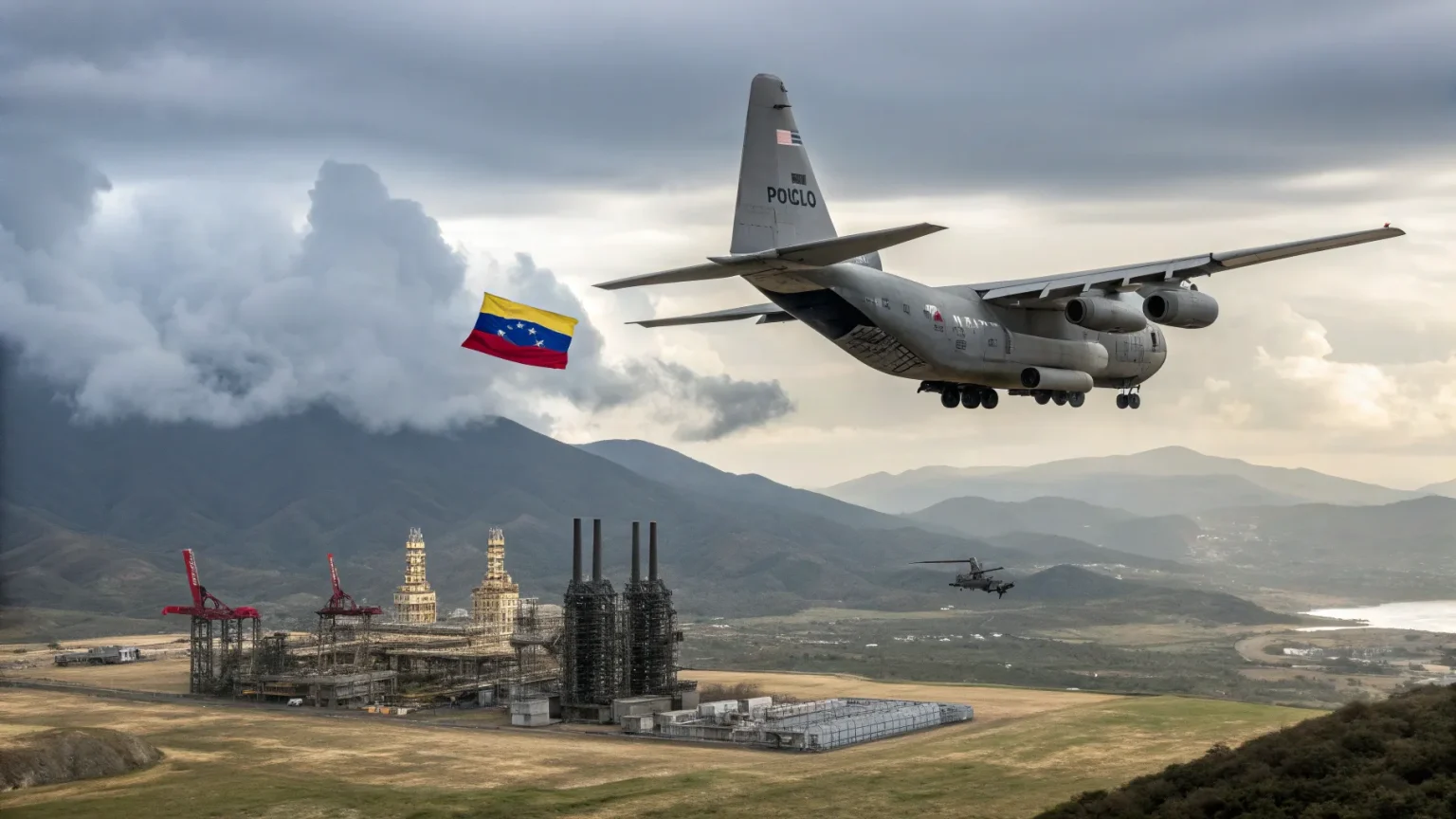
The prospect of sending US troops to protect oil facilities in Venezuela has moved from a hypothetical to an urgent policy debate, amid fragile energy markets and political tension in Caracas. Officials and experts are weighing whether the security benefits justify the hazards of operating in a volatile setting.
US forces have guarded oil infrastructure overseas before, but Venezuela presents a tougher test. Any move would carry major security, legal, and diplomatic risks, with ripple effects across the region and global energy supplies.
Experience Meets a Different Kind of Threat
The US military has experience guarding oil infrastructure, but deploying troops to Venezuela comes with high risks in a dangerous environment.
Washington has previously tasked troops with securing oil assets in conflict zones, including in Iraq and parts of Syria. Those missions focused on deterring attacks, preventing sabotage, and protecting supply routes. Similar goals would apply in Venezuela, but the threat picture is more complex.
Venezuela’s oil sector is vast but fragile. Pipelines and refineries have suffered from poor maintenance, theft, and periodic blackouts. Security is uneven from the western Zulia fields to the Orinoco Belt. Armed groups and criminal networks operate in several regions. Any US unit would need to plan for urban unrest, remote-area patrols, and rapid medical evacuation in difficult terrain.
Security Risks on the Ground
Analysts warn that force protection would be the top challenge. Oil facilities are spread out, with chokepoints that are hard to defend around the clock. The presence of irregular groups, some linked to cross-border smuggling, complicates patrols and convoy security.
- Threats could include small-arms fire, sabotage, drone use, and insider risks.
- Power outages and fuel shortages could disrupt base operations and transport.
- Coordination with local security forces may be limited or unreliable.
Commanders would need clear rules of engagement and strong intelligence support. Airlift and medevac assets would be crucial. Force size would depend on how many sites require protection and how long the mission lasts.
Legal and Diplomatic Hurdles
Any deployment hinges on host-nation consent or a clear international mandate. Without a workable agreement with Caracas, US forces would face legal uncertainty and higher escalation risk. Regional governments would also react, including neighbors that share borders and trade routes with Venezuela.
Sanctions on the state oil company complicate planning. A security mission could collide with economic restrictions or require new waivers. The Organization of American States and the United Nations could be forums for debate, but consensus is not guaranteed.
Critics argue that a troop presence could inflame nationalist sentiment inside Venezuela and trigger protests. Supporters counter that a limited, protective mission might stabilize output and deter sabotage, if it is clearly defined and time-bound.
Energy Market Stakes
Venezuela holds some of the world’s largest oil reserves, yet output has declined in recent years due to underinvestment, sanctions, and equipment failures. A guarded restart or protection of key facilities could help steady supplies if global prices are volatile.
Traders watch Venezuela for signs of reliable exports. Even a modest increase, if sustained, can influence price expectations. But security gains without technical repairs will not lift production. Maintenance, spare parts, and skilled labor are still essential for any recovery.
Military Planning and Costs
A mission would require logistics hubs, secure housing, medical teams, and reliable communications. The cost would rise with each additional site and convoy. Troops would likely need specialized training for urban and jungle operations. Coordination with allied partners, if invited, could spread the load but also complicate command.
US defense officials often warn about “mission creep.” Protecting a single refinery can expand to escorting fuel trucks or guarding pipelines, which stretches manpower. Clear objectives, a firm timeline, and a defined drawdown plan would help limit exposure.
What Comes Next
Policymakers face a narrow path. They must balance energy stability with the risk to US personnel in a tense environment. They also need to consider the political costs at home and abroad.
Several tests will shape the outcome: whether a legal framework can be secured; whether local actors accept a limited security role; and whether the mission can be kept small and focused. If those conditions fail, the hazards may outweigh the benefits.
For now, the core message from security experts is caution. The United States has protected oil sites before, but Venezuela would be a harder, riskier assignment. Any decision will signal how far Washington is willing to go to stabilize supply while avoiding a new, open-ended commitment.


