

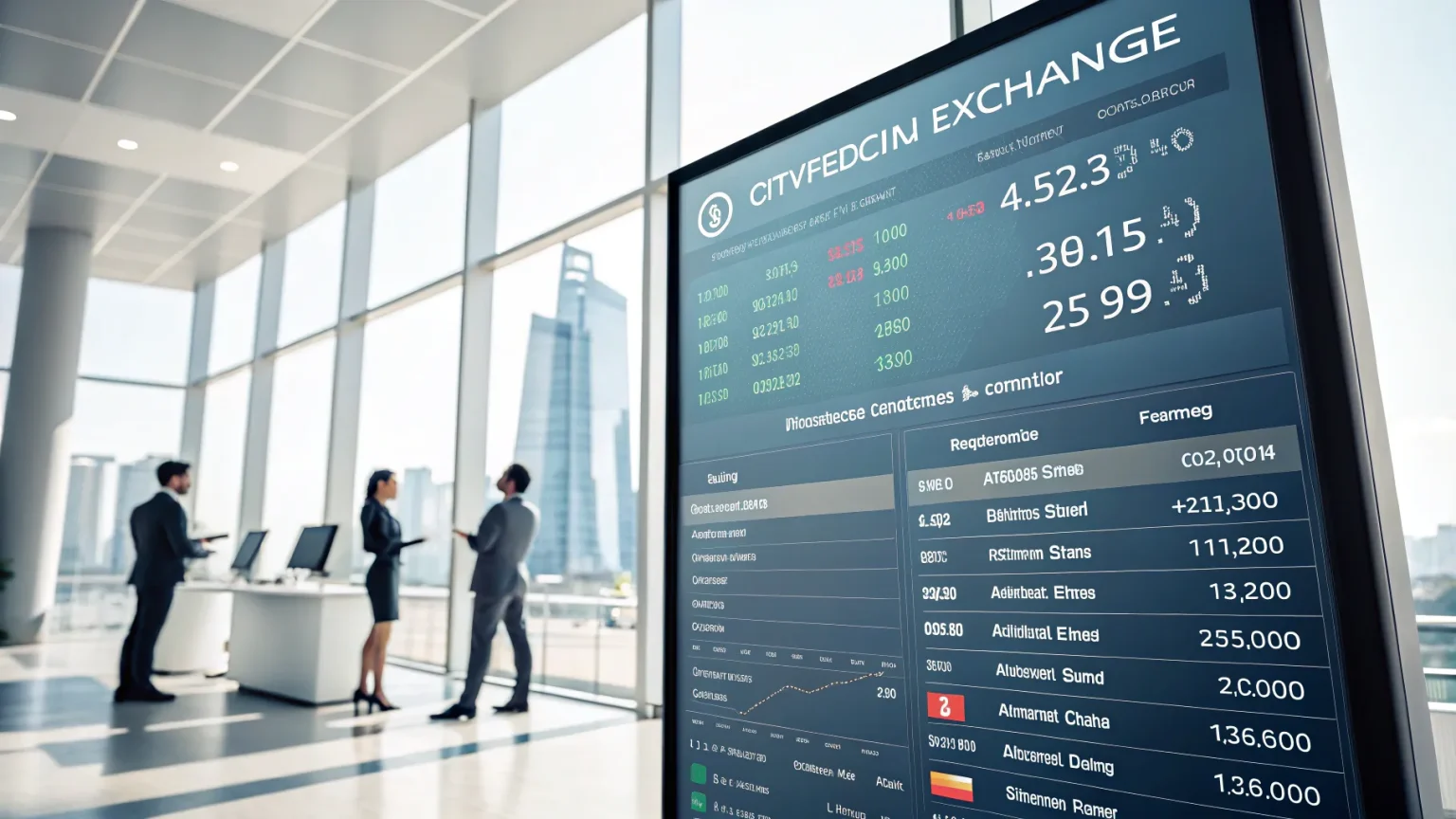
A prominent crypto exchange says it will soon let customers trade more than digital tokens, setting up a challenge to traditional brokerages and fintech apps. The company plans to roll out new services in the coming weeks. Its chief executive called the firm “the best place to trade every asset,” signaling a push far past its roots in crypto.
“[The firm is] now the best place to trade every asset, not just crypto,” the CEO said, adding that new services will roll out over the coming weeks.
The move could reshape how retail and professional investors manage money on a single platform. It also raises questions about licensing, investor protection, and market structure as crypto-native firms step into stocks, ETFs, and other instruments.
Why the Expansion Matters
Crypto exchanges have long sought to reduce reliance on volatile trading fees. Adding stocks, ETFs, and other assets can diversify revenue and keep users engaged during quieter crypto cycles. It also taps a larger pool of investors who want a single app for cash, crypto, and securities.
Traditional brokerages already offer commission-free trading, cash management, and research. To win share, a crypto platform must match those features while keeping costs low and order quality high.
Background and Strategy
During the last bull run, many platforms added staking, yield programs, and derivatives. When volumes fell, some cut staff and products. The current shift is different. It aims to extend product breadth rather than lean on crypto-specific rewards.
The CEO’s comment suggests a unified account and a broader product set. That could include:
- U.S. and international equities
- Exchange-traded funds
- Commodities exposure through ETPs
- Foreign exchange pairs
Bringing these into one interface could simplify portfolio management. It could also reduce the need to move funds between separate apps, which adds time and fees.
Regulatory and Operational Hurdles
Offering stocks and ETFs usually requires broker-dealer permissions, clearing arrangements, and strict disclosure rules. Best execution, market data entitlements, and capital requirements also apply. Where the firm operates will determine which licenses it needs and how it markets the service.
Risk controls are another issue. Equity and ETF trading bring margin, corporate actions, and settlement timelines that differ from blockchain transfers. The company will need strong surveillance and reliable uptime during volatile periods.
Consumer protection standards are tighter for securities. Clear fee disclosures, trade routing transparency, and complaint handling will be closely watched by regulators and investors.
Competitive Stakes
Fintech brokers have built large user bases by offering simple design and low fees. Some crypto exchanges already list tokenized stock products in certain regions, but many pulled back amid scrutiny. A full entry into cash equities would escalate competition for order flow and customer deposits.
Fees in equity trading are thin. That could pressure the firm to find other income sources, such as interest on cash balances, premium subscriptions, or advanced analytics. It will need to show that its execution quality and tools can match or beat established rivals.
What Customers Can Expect
Investors will likely look for seamless onboarding, instant funding, and clear reporting that spans both crypto and securities. Tax forms and real-time portfolio views will be key tests of product maturity. Education content that explains risk across asset classes could also help retention.
Security will remain a concern. Crypto users focus on custody and withdrawal rights. Equity traders expect trade confirmations, account protections, and responsive support. Meeting both sets of expectations is not simple.
Analyst Views and Open Questions
Supporters say an all-asset app could reduce friction and make diversification easier. Critics warn that mixing speculative tokens with equities may blur risk signals for inexperienced traders.
Key questions remain. Which markets will launch first? How will the firm handle payment for order flow, if at all? Will it offer direct routing or smart order tools for professionals? The answers will determine whether the service becomes a daily driver or a niche add-on.
The company’s pledge to become “the best place to trade every asset” sets a clear ambition. Success will depend on licensing, execution quality, and user trust. Over the coming weeks, watch for product previews, regional launch details, and disclosures on fees and routing. If the rollout meets regulatory and market tests, the new services could shift how investors trade across asset classes in a single app.


