

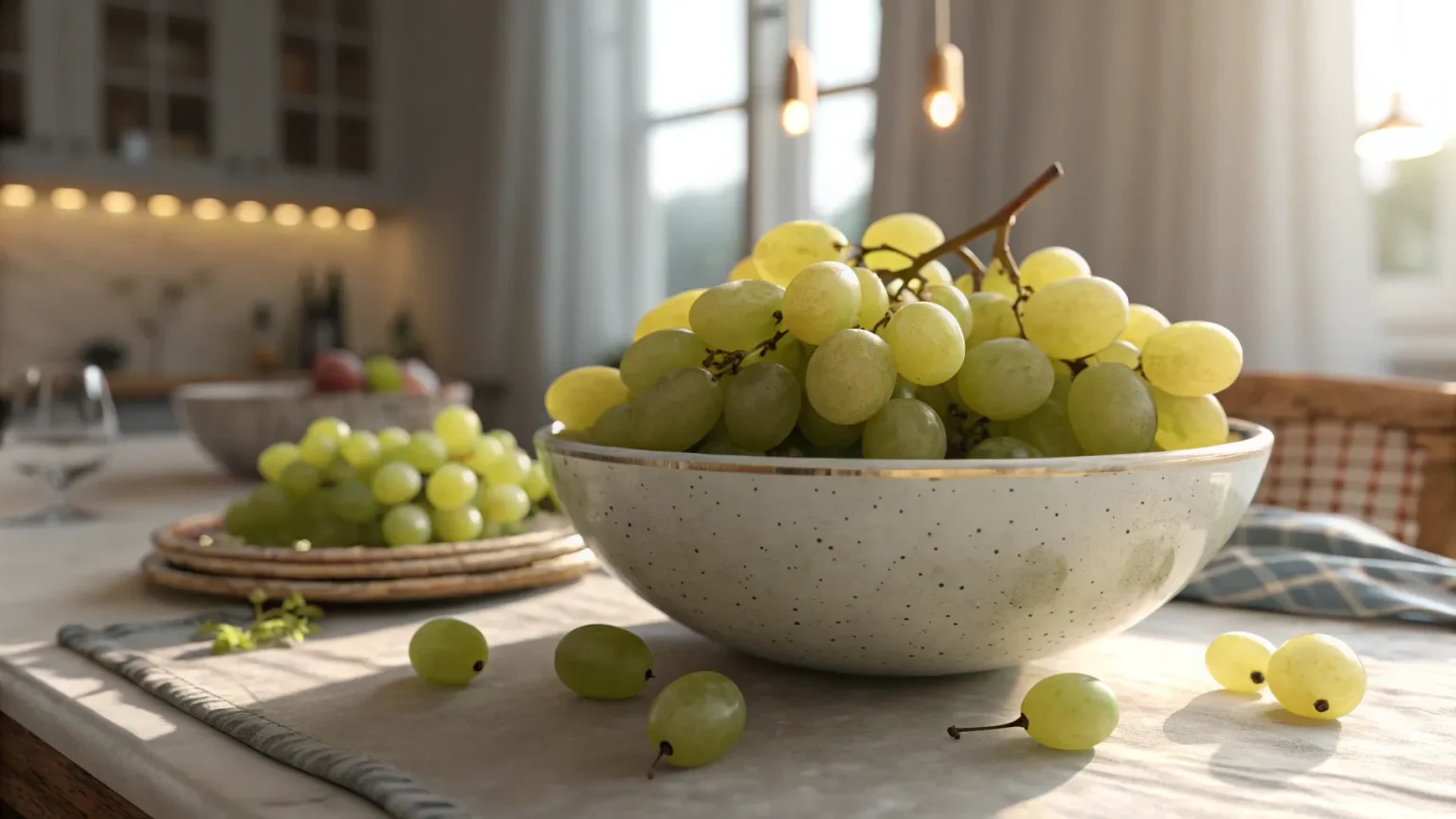
A century-old Spanish New Year ritual is surging online as people film themselves eating twelve grapes at midnight for luck. The custom, called Las Doce Uvas de la Suerte, began in Madrid in the late 1800s and promises good fortune for each month ahead.
The tradition is simple and fast. At the stroke of midnight, participants eat one grape for every toll of the clock. As social platforms fill with countdown clips, the practice is reaching new audiences far from Spain.
History and Meaning
Las Doce Uvas de la Suerte translates as the Twelve Grapes of Luck. It became popular in Madrid in the late 19th century. The practice then spread across Spain and Spanish-speaking communities.
Each grape stands for a month of the new year. Finishing all twelve with the chimes is thought to invite luck. Many families pass the habit down through generations.
“A Spanish tradition of eating twelve grapes at midnight on New Year’s Eve, known as ‘Las Doce Uvas de la Suerte,’ is gaining viral attention on social media.”
The idea of luck by month gives the ritual a clear structure. It also makes the moment easy to share on video.
Social Media Surge
Short videos and live streams are driving this year’s wave of interest. The ritual fits the countdown format and encourages group participation. It is quick, visual, and easy to copy.
Clips often feature friends racing the clock, families gathered around the table, or travelers trying the custom for the first time. Hashtags help users find each other and compare their attempts.
“This ritual, originating in late 1800s Madrid, is believed to bring good fortune for each month of the year.”
Many posts highlight the challenge of keeping pace with the chimes. Others share tips, like choosing seedless grapes or preparing small portions ahead of time.
Cultural Crossovers and Adaptations
The renewed attention is pushing the tradition across borders. People are adapting it to local New Year events, home parties, and public gatherings. Some switch grapes for other small fruits when grapes are not available.
Community groups and cultural centers may use the ritual to introduce Spanish customs. The clear, month-by-month symbolism helps explain the practice. The countdown format aligns with existing New Year habits worldwide.
Business and Food Supply Angles
Grocery stores often see seasonal demand for grapes near year-end. The spike can be sharper when trends go viral. Retailers may package grapes in sets of twelve to meet interest and reduce waste.
For growers and distributors, the timing matters. Fresh, firm grapes suit the quick pace of the ritual. Seedless varieties are popular for comfort and speed. Clear labeling helps shoppers prepare.
Why It Resonates Now
Many people seek simple rituals that mark a fresh start. The act is brief, playful, and shared. It blends hope with a little challenge, which fits social video culture.
It also offers a sense of control at the turn of the year. The steps are easy. The rules are common across posts. Success is visible and satisfying.
How People Participate
- Prepare twelve small grapes per person before midnight.
- Start with the first clock chime and eat one grape per chime.
- Choose seedless grapes or cut them for children.
- Share a video or join a live countdown if celebrating online.
What To Watch Next
If the surge holds, more New Year events could feature the grapes. Food brands may lean into the trend with pre-portioned packs. Community groups might host shared countdowns.
Whether the ritual sticks for newcomers will depend on how well it fits local celebrations. For many, the charm lies in its mix of luck, timing, and togetherness.
As the next New Year approaches, watch for more countdown clips and creative twists. The core idea remains steady: twelve grapes, twelve months, one hopeful start.


