

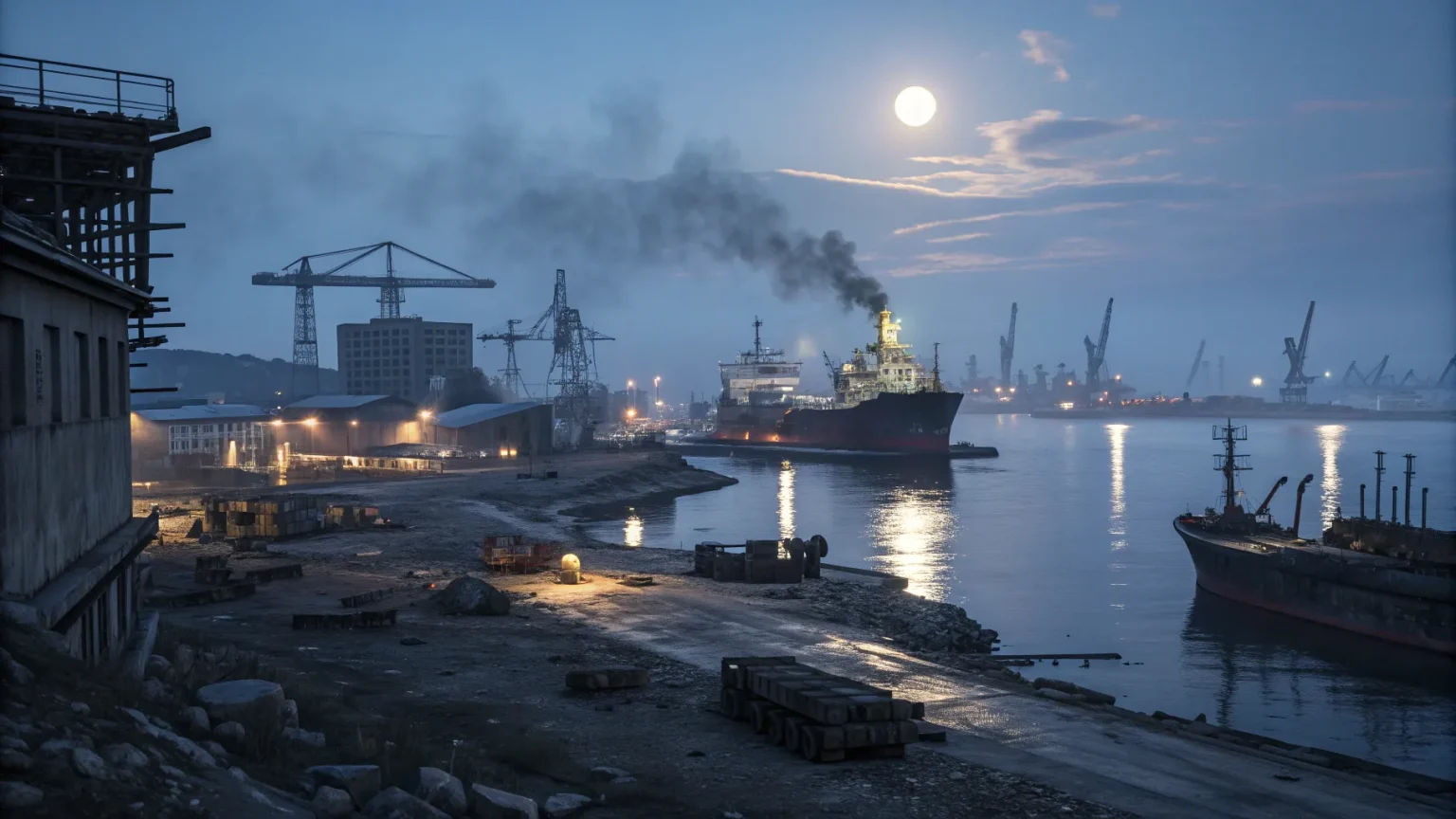
Russia and Ukraine traded strikes on Black Sea port facilities overnight, damaging infrastructure and hitting an oil refinery, raising fresh concerns for shipping safety and regional energy supplies. The attacks, reported along key maritime hubs, threaten trade links that have been fragile since the full-scale war began and complicate efforts to stabilize global grain and fuel markets.
Russia and Ukraine struck each other’s Black Sea ports overnight, damaging infrastructure including an oil refinery.
The exchanges occurred as both countries seek to disrupt each other’s logistics and revenue sources. Ports on both sides have been vital for moving grain, fuel, and military supplies. The reported refinery damage points to a continuing campaign against energy infrastructure that has intensified this year.
Why Black Sea Ports Matter
The Black Sea has been central to the war’s economic front. Before the invasion, Ukraine shipped much of its grain through Odesa-region ports. Russia relies on Black Sea routes for oil products and naval supply lines, including routes linked to Crimea.
After the United Nations- and Turkey-brokered grain deal in 2022, more than 30 million tons of Ukrainian foodstuffs moved through a protected corridor before the agreement ended in 2023. Since then, Ukraine has leaned on a coastal shipping corridor and the Danube River to keep exports moving, while insurers and shipowners continually reassess risk.
Russia, for its part, has used ports in occupied Crimea and on its southern coast to support naval operations and energy shipments. Strikes on oil facilities can disrupt refining and export schedules, affecting regional fuel supplies and pricing.
Escalating Targets: Energy and Logistics
Overnight strikes on port infrastructure suggest both sides are pressing to limit the other’s operational reach. Damaging a refinery can reduce output, complicate distribution, and strain repair crews during peak demand periods. Attacks on cranes, storage tanks, and loading equipment can slow or halt cargo flows.
Military analysts note that long-range drones and missiles have expanded the range of feasible targets. Ports, refineries, and fuel depots present static, high-value sites. They are also difficult to defend fully without diverting significant air defenses from front-line areas.
Ukrainian strikes on Russian energy facilities earlier this year forced temporary shutdowns and repairs at several plants, while Russian strikes on Ukrainian port infrastructure have periodically limited grain handling. The latest exchanges fit that pattern of reciprocal pressure on critical assets.
Risks for Global Trade and Insurance
Any damage to Black Sea facilities tends to ripple through markets. Grain traders monitor berth availability, channel traffic, and insurance quotes to decide whether to load vessels. Refinery disruptions can affect diesel and gasoline flows in the region, prompting price volatility.
- Shipping insurers may raise war-risk premiums after fresh strikes.
- Charterers can reroute cargoes to the Danube or rail, adding time and cost.
- Port closures or outages can cause backlogs and missed delivery windows.
These pressures are magnified when multiple choke points are under threat. With the Red Sea also facing security risks, some carriers have fewer safe and economical alternatives.
Voices and Reactions
Officials on both sides have framed port and energy strikes as necessary to limit the other’s capacity. Energy experts say repairs at refineries can range from days to months, depending on the damage. Grain industry players caution that even short disruptions can miss narrow harvest shipping windows.
One shipping executive described the operating environment as “stop-start,” with voyages timed around air-defense alerts and port status updates. Aid groups warn that grain supply interruptions can raise food prices for import-dependent countries, especially in North Africa and the Middle East.
What History Tells Us
Since 2022, repeated strikes have not fully halted Black Sea commerce, but they have reshaped it. Ukraine’s use of smaller vessels hugging the coast and reliance on Danube ports shows how trade adapts under pressure. Russia has dispersed fuel storage and stepped up repairs, while boosting coastal defenses around key terminals.
Still, each new attack raises the chance of accidents, oil spills, or miscalculation at sea. Naval incidents near shipping lanes can quickly escalate risks for civilian mariners and insurers.
For now, crews, traders, and port authorities operate in a fragile equilibrium: open when possible, pause when necessary, and repair fast. The latest strikes will test how resilient that balance remains.
The overnight attacks underscore the strategic value of ports and refineries in this war. They also highlight the thin margin that keeps grain and fuel moving. Markets, insurers, and regional governments will be watching for confirmation of damage, repair timelines, and any sign of follow-on strikes. If patterns hold, expect tighter insurance terms, temporary rerouting, and renewed calls for clearer security guarantees for civilian shipping.


