

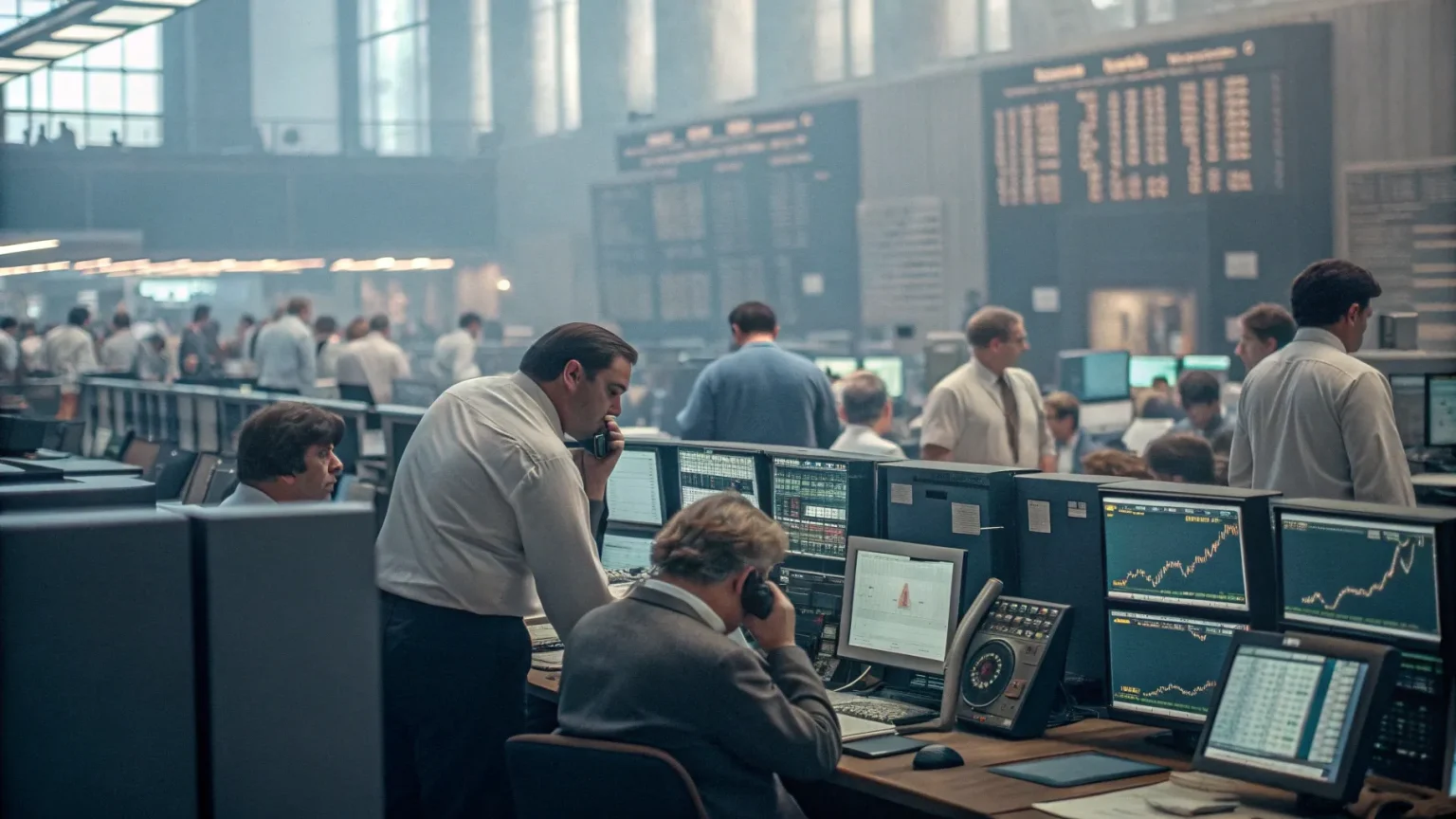
Before Wall Street’s opening bell, a slate of stocks posted sharp moves that could shape the session ahead. Traders prepared for a choppy start as overnight headlines, earnings updates, and early economic signals filtered into orders across electronic venues. The shifts came ahead of the 9:30 a.m. Eastern open, when price discovery widens and volume increases.
The morning message was plain and direct.
“These are the stocks posting the largest moves before the bell.”
The alert set the tone for a watchful open. Investors looked for clues on whether early jumps and drops would hold once full liquidity returned.
How Premarket Trading Shapes the Open
Premarket trading in U.S. equities typically runs from 4:00 a.m. to 9:30 a.m. Eastern Time on many platforms. Activity is lighter than during regular hours. Spreads can be wider and single orders can move prices more.
That makes early moves important but not final. A stock up 5% at 8:00 a.m. can reverse by the open if new orders arrive, if guidance is clarified, or if a broader market move washes over individual names.
Market makers and institutional desks watch depth and volume, not just the price print. They look for confirmation across exchanges and related assets such as futures and options.
Common Catalysts Behind Early Swings
The biggest premarket movers often tie back to clear catalysts. Corporate reports and macro updates lead the list.
- Earnings and guidance: Surprise profits or cautious outlooks can trigger large gaps.
- Analyst calls: Upgrades, downgrades, and price-target changes can push momentum.
- M&A headlines: Deal talks, approvals, or breakdowns move the tape fast.
- Regulatory actions: Approvals, fines, or policy shifts hit sensitive sectors.
- Economic data: Reports at 8:30 a.m. Eastern, such as inflation or jobs, can swing futures and spill into stocks.
Company-specific news tends to dominate single names. Broader data can change sector leadership and set the tone for the entire market.
Reading Signals From Limited Liquidity
Premarket moves offer an early read, but the picture is incomplete. Lower liquidity magnifies reaction to headlines. That can exaggerate both gains and losses.
Traders often gauge quality of the move. Key checks include the number of shares traded, the stability of the bid-ask spread, and whether the stock trades on multiple venues at similar prices. Futures for the S&P 500, Nasdaq, and Dow also provide context on risk appetite.
If a stock’s early move is supported by strong volume and aligned sector action, the open may carry the trend. If the move appears on thin prints and fades into the open, it can reverse quickly.
Strategy and Risk Management
For active investors, premarket action can be an opportunity or a hazard. Speed matters, but so does discipline. Many wait for the first 15 to 30 minutes after the open to confirm direction and volume.
Experienced desks often plan around key times. Corporate press releases tend to cluster before 8:00 a.m. Eastern. Economic releases often hit at 8:30 a.m. When those events clear, price action can either stabilize or accelerate, depending on the surprise.
Risk controls are essential. Wider spreads and fewer counterparties mean stop-loss orders may not fill at expected prices. Limit orders and position sizing help manage slippage.
What It Means for the Session Ahead
Large premarket movers can signal rotation. If gains concentrate in a few sectors, it may reflect a new theme—such as a shift into energy, financials, or technology—driven by a catalyst. If the moves are scattered, the day may hinge on headline risk and stock picking.
For long-term investors, the early swings matter less than the trend in earnings and rates. For short-term traders, the first hour will likely be decisive.
As the opening bell approaches, the focus turns from alerts to execution. Early winners will try to hold gains as volume scales up. Sellers will test demand at the open. Watch leaders with fresh catalysts, the depth of moves across sectors, and whether futures action supports or contradicts the early signals. That will set the course for the rest of the day.


