

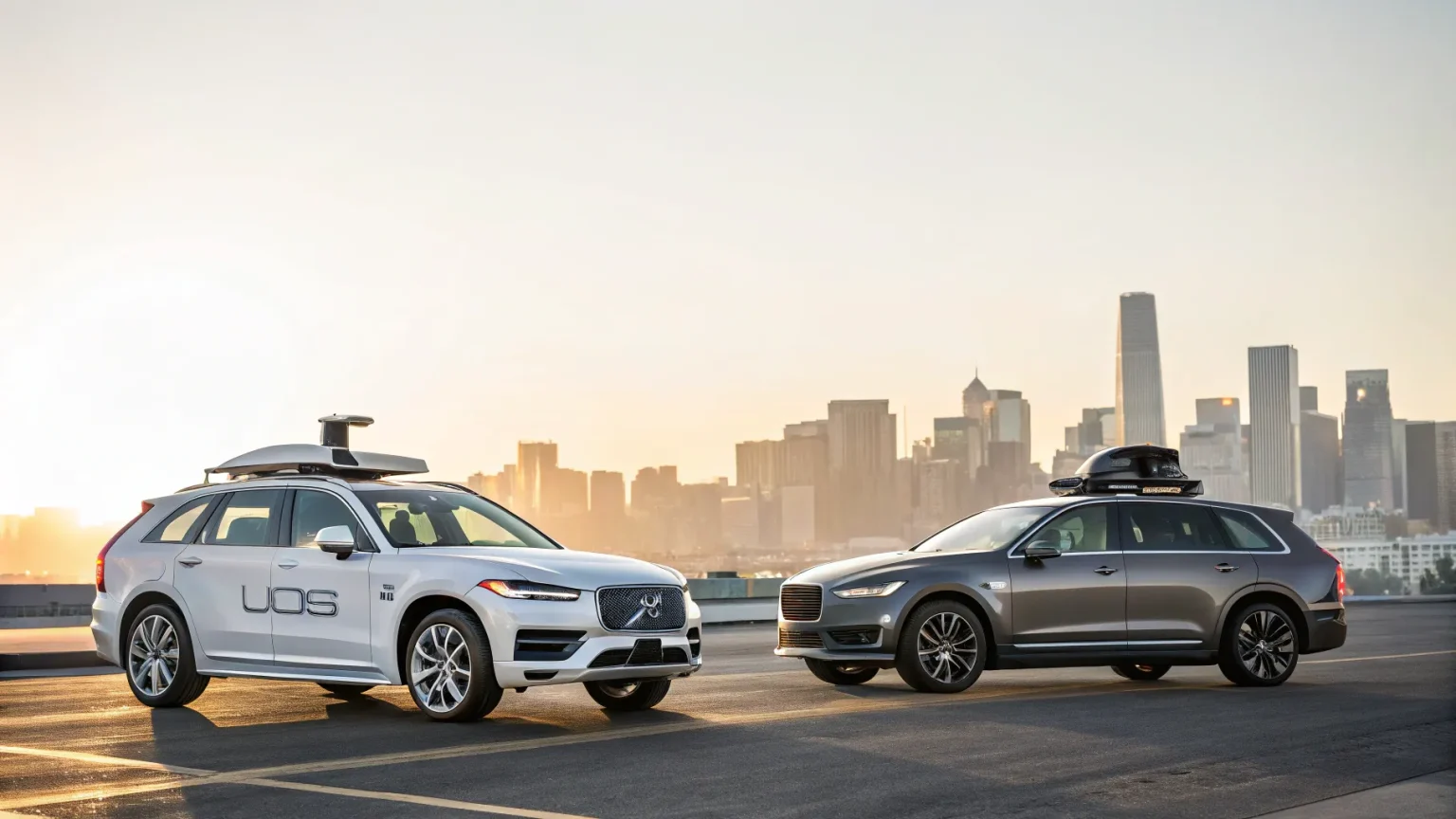
Waymo began offering driverless rides through the Uber app this week, marking a new stage in a relationship where collaboration and competition run side by side. Riders in select U.S. cities can now request a robotaxi from the Uber app, a step that connects Waymo’s autonomous fleet with Uber’s massive user base. The move shows how both companies seek growth while protecting their core businesses.
The launch took place in markets where Waymo already operates driverless service, with plans to widen access as safety and capacity allow. It matters because it brings autonomous rides into an app used by tens of millions of people, while keeping Waymo’s own app active. The deal also highlights strategic tension. Uber still relies on human drivers and fares, even as it teams with a service that reduces the need for drivers over time.
Background: From Rivals to Strategic Partners
Uber once tried to build its own self-driving unit, but sold it to Aurora in 2020 after legal and safety setbacks. Waymo, which began as Google’s self-driving project, has focused on driverless operations in tightly mapped zones. Over the past year, Waymo expanded service in Phoenix and parts of San Francisco and Los Angeles, operating without a human at the wheel.
Integrating Waymo rides into Uber marks a pragmatic shift. Uber gains access to a growing autonomous fleet without the heavy research costs. Waymo gains instant reach through a familiar interface, while keeping control of its technology and operations.
“The launch highlights how Waymo and Uber are both partners and competitors.”
What Riders Get — And What Changes
For riders, the change is simple. Robotaxi options appear alongside traditional Uber products in eligible areas. Pricing remains dynamic, and pickup and drop-off points are similar to existing Uber trips. Riders can still book Waymo directly in the Waymo One app.
- Fewer wait times where Waymo has strong fleet coverage.
- More choice between human-driven and driverless rides.
- Potentially steadier pricing during peak demand.
Waymo continues to set its safety rules, including service zones and operating hours. That keeps operations within mapped routes and known conditions, a key factor as the company scales.
Business Stakes and Industry Impact
The partnership could help Uber meet demand without leaning only on surge pricing. It also gives Uber valuable data on where driverless fits best. For Waymo, tapping into Uber’s audience can boost ridership, occupancy, and revenue per mile.
Yet the awkward fit is clear. If robotaxi use rises, demand for human drivers may soften in certain zones and times. Uber must balance relations with drivers while promoting a service that could replace part of their work. Waymo must prove that large-scale operations can be safe, reliable, and profitable.
Autonomous ride services remain concentrated in limited areas. Scaling to more neighborhoods requires convincing local officials, improving software performance in complex traffic, and expanding fleets. Both companies say growth will be measured, not rushed.
Safety, Regulation, and Public Trust
Waymo cites years of testing, millions of autonomous miles on public roads, and extensive simulation as the base for expanding service. State and city regulators continue to review permits, incident reports, and safety cases. Public trust rises when trips are predictable, routing is clear, and support is prompt during edge cases like road closures or emergency scenes.
Recent pauses affecting other autonomous programs have made officials more cautious. Clear reporting and transparent incident handling will shape how quickly new routes open. For now, service areas expand where performance data and local approvals align.
What to Watch Next
Analysts will track rider adoption rates for robotaxi options within Uber, average wait times, and per-mile economics. Fleet size and uptime will also matter. If integration drives strong utilization, expect more neighborhoods to come online.
Competitors and partners may rotate as the market evolves. Uber could work with more autonomous operators where available, while Waymo may pursue additional platform tie-ins. Each move will test pricing power, brand loyalty, and the reach of driverless tech.
The launch offers a clear takeaway: scale will come through familiar apps, careful geographic growth, and firm safety practices. The partnership brings driverless rides to more people today, while the rivalry over who owns the future of urban transport continues.


